
Game Engines
By
FG Team
• 1 min read
Latest news and analysis covering Unreal Engine, Unity, Godot, proprietary engines, development tools, and game technology.
You are viewing the comprehensive archive for articles tagged with "game development." Our editorial team delivers timely gaming coverage, practical insights, and market-focused analysis across the topics shaping how games are built, funded, regulated, and played. This section brings together relevant news, research, and expert commentary to help you understand trends and make better decisions. Stay informed with FluxGamer to keep your perspective current and complete.
Latest news and analysis covering Unreal Engine, Unity, Godot, proprietary engines, development tools, and game technology.
A texture is image or data mapped onto a 3D surface to define visual material detail.
Meta has quietly launched Pocket, a mobile app that lets users create small interactive games from text prompts and share them in a short-form feed.
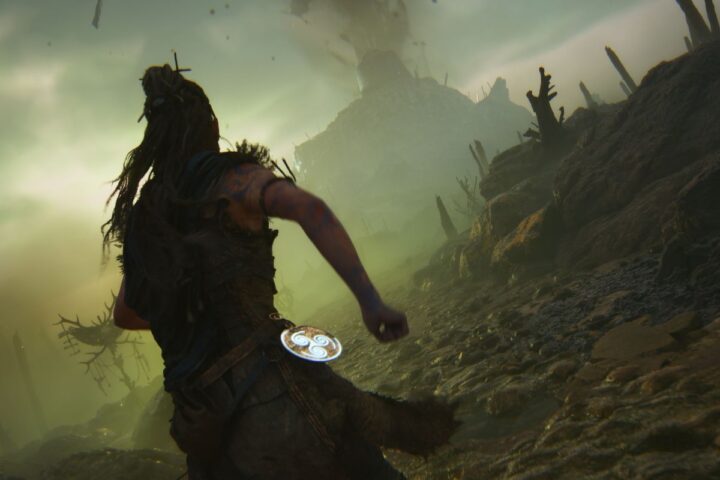
Xbox plans to move Hellblade developer Ninja Theory to new ownership, with funding intended to complete Senua as part of a wider studio restructuring.

Strikerz is preparing major layoffs that could reduce its workforce by more than half, as the Cyprus-based studio faces mounting pressure around its football simulator UFL.
Procedural generation uses rules and algorithms to create game content automatically or semi-automatically.

Epic Games has outlined its Unreal Engine 6 vision, targeting early access at the end of 2027 with a focus on foundations and interoperability.
A patch is a software update that changes, fixes, secures, or adds to a released game.
Motion capture records a performer’s movement and converts it into data for digital characters.
Game localization adapts language and cultural content for players in a target market.
Level design shapes playable spaces, encounters, pacing, routes, goals, and environmental communication.
An indie game is created outside the production structure of a major publisher, usually with greater creative independence.
A hitbox is an invisible shape used to determine whether attacks or collisions connect.
A game loop is the recurring cycle of actions, feedback, and rewards that structures play.
A game engine provides reusable systems and tools for building and running games.