Epic Games has outlined its vision for Unreal Engine 6, with early access targeted for the end of 2027. PocketGamer.biz reported the development, placing it inside a busy stretch for mobile games, creator platforms and the business infrastructure around play.
The company says the new engine generation will combine Unreal Engine 5 triple-A development capabilities with a next-generation pipeline shaped through Fortnite. Epic is emphasizing foundations, persistent experiences and deployment across traditional platforms, Fortnite and developer-owned ecosystems.
Epic Puts Foundations Ahead of Flash
The striking part of the message is that Epic is not leading with graphics alone. Tim Sweeney said the Unreal Engine 6 generation is focused on preparing the engine foundation for the next era of game development and gaming.
That language points to a broader ambition than rendering upgrades. Epic wants an engine that supports large live ecosystems, connected experiences and content that can move across different products and platforms.
Epic identified Verse as one of the core initiatives for Unreal Engine 6, with plans to expand its use for large-scale and persistent experiences. That makes the language central to the company creator-platform strategy.
The company is also focused on making content, code and economies more portable and interoperable. Those priorities align with the same logic behind UEFN: development tools should support games that operate more like ecosystems than boxed releases.
A Long Road to Developer Adoption
The 2027 early access target means developers have time to watch before making pipeline decisions. Studios do not move engines casually, especially when production schedules and budgets are already under pressure.
Epic will need to prove that Unreal Engine 6 is not only a vision for Fortnite-adjacent worlds, but a practical upgrade for teams across genres and budgets. The next engine race may be about infrastructure as much as visual spectacle.
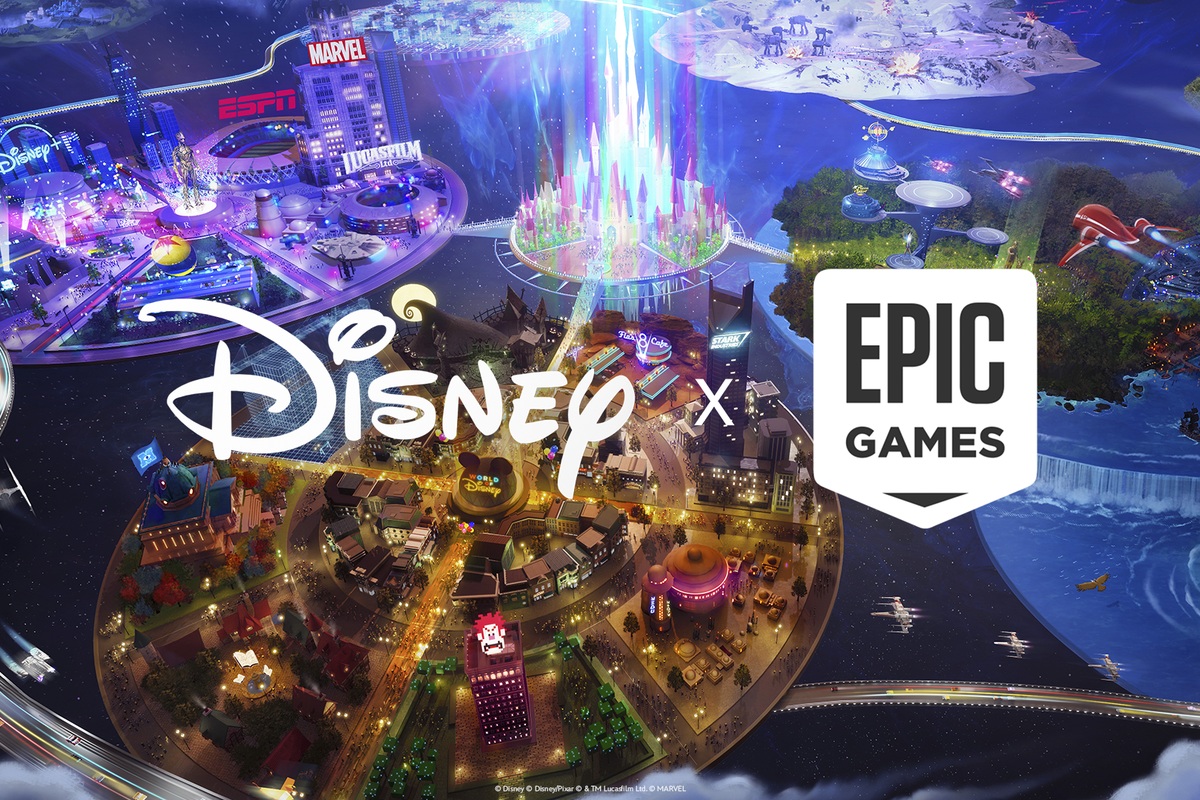
The Fortnite connection is central to the roadmap. Epic has spent years turning Fortnite into a live platform with creator tools, commerce and persistent content. Unreal Engine 6 appears designed to bring lessons from that environment into the broader engine stack, giving developers ways to think about games as connected ecosystems rather than isolated software releases.
That ambition will be tested by practical adoption. Studios care about stability, migration cost, team training and whether new systems solve production problems today, not only future platform dreams. Early access at the end of 2027 gives Epic time to refine the pitch, but developers will expect clear answers about workflows, performance and compatibility before betting major projects on the next engine generation.
The broader pattern is a games business that is becoming more financial, more platform-led and more dependent on operating discipline after launch. Announcements like this are not only isolated company updates; they show how studios, rights holders, ad networks and creator platforms are building systems around acquisition, retention, monetisation and recurring audience access. That is the commercial layer now shaping many of the biggest decisions in games, especially across mobile and user-generated ecosystems.
That momentum makes the update useful to watch beyond the headline, particularly as platform economics keep influencing how games are funded, discovered, advertised and monetised.