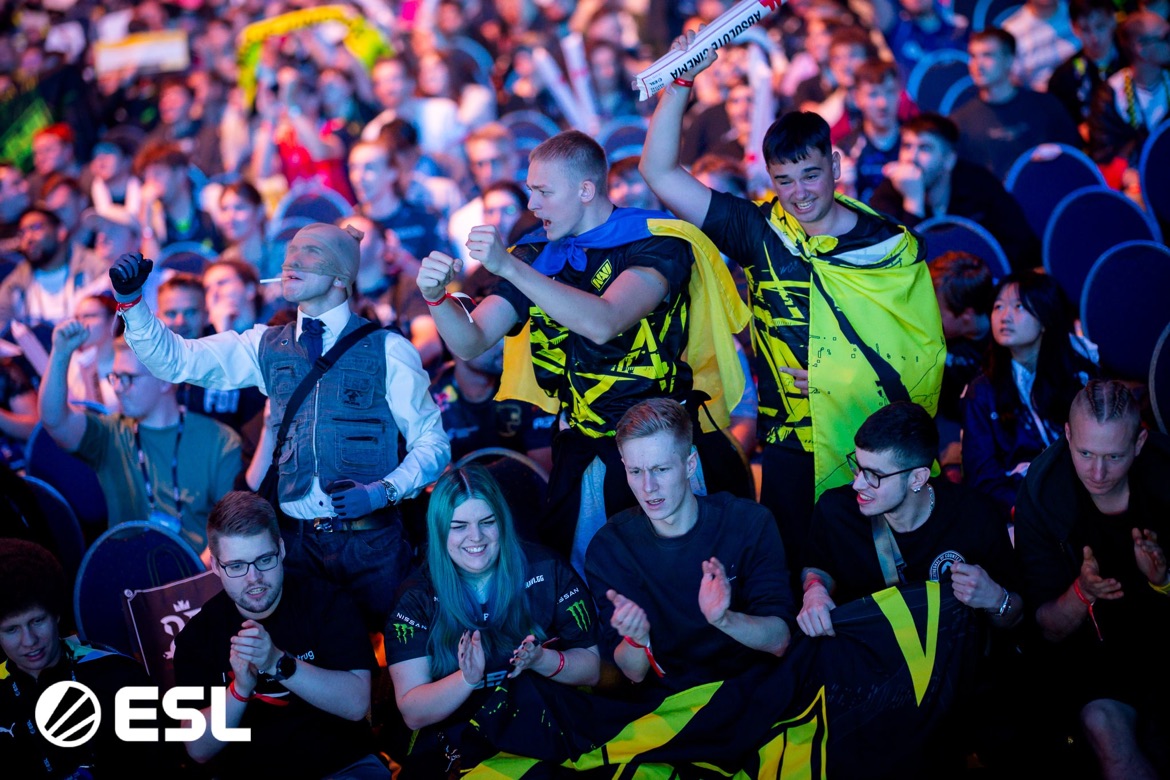
IEM Cologne Major 2026 has reached its final day, putting Counter-Strike 2’s biggest summer stage back under the lights at Lanxess Arena. ESL confirms the Cologne playoff window runs from June 18-21, with the Major closing through an eight-team single-elimination bracket and a best-of-five grand final.
That makes today one of the most important esports moments of the weekend. Cologne is not just another stop on the calendar; it is the event Counter-Strike fans have long treated as the game’s cathedral, a place where crowd noise, pressure, and history often turn strong teams into legends or expose small weaknesses at the worst possible time.
Why Cologne still matters
The appeal of IEM Cologne comes from more than prestige. Lanxess Arena has become a yearly checkpoint for Counter-Strike’s health as a spectator esport, especially now that the scene is fully inside the Counter-Strike 2 era. A packed arena gives publishers, tournament organizers, teams, sponsors, and players a clean signal that the franchise still has enormous live-event energy.
This year’s Major format also gives the final weekend extra weight. ESL lists 32 teams, a $1.25 million prize pool, and a full Major structure that moved through three earlier stages before the playoff bracket. By the time teams reached Lanxess Arena, the event had already tested depth, map pools, endurance, and the ability to survive pressure across multiple competitive formats.
A best-of-five final raises the stakes
The grand final moving to a best-of-five is the detail that changes how the last day feels. A best-of-three can be decided by a sharp veto, one hot map, or a short run of momentum. A best-of-five asks for something broader: deeper preparation, stronger stamina, more reliable mid-series adaptation, and the nerve to keep calling clearly after two or three hours of Counter-Strike.
For fans, that format can make the final feel more complete. It usually gives both sides more chances to show their identity, whether that means disciplined utility, aggressive opening duels, slow defaults, or late-round composure. It also raises the chance that the champion leaves Cologne feeling like a properly tested Major winner rather than a team that simply peaked for one short series.
What the result means beyond the trophy
The champion will leave with more than prize money and a headline. A Cologne Major title can reshape player legacies, coaching reputations, roster patience, and the way organizations approach the rest of the season. Teams that win in this arena often gain a level of authority that follows them into future events, while narrow losses can trigger difficult questions about map vetoes, role balance, or whether a lineup has reached its ceiling.
The timing matters as well. With the Major ending on June 21, the result arrives at a natural midpoint for the competitive year, giving the scene a clear reference point before the next wave of roster decisions and international events. If the final delivers the kind of close, high-pressure series Cologne is known for, it could become the defining Counter-Strike 2 match of the summer.
For FluxGamer readers who follow both games and esports, the story is simple: Counter-Strike’s most recognizable arena is hosting the closing act of a Major today, and the outcome will shape how the scene talks about 2026. Cologne has built its reputation on moments that feel bigger than the bracket, and the final day is where that reputation gets tested again.