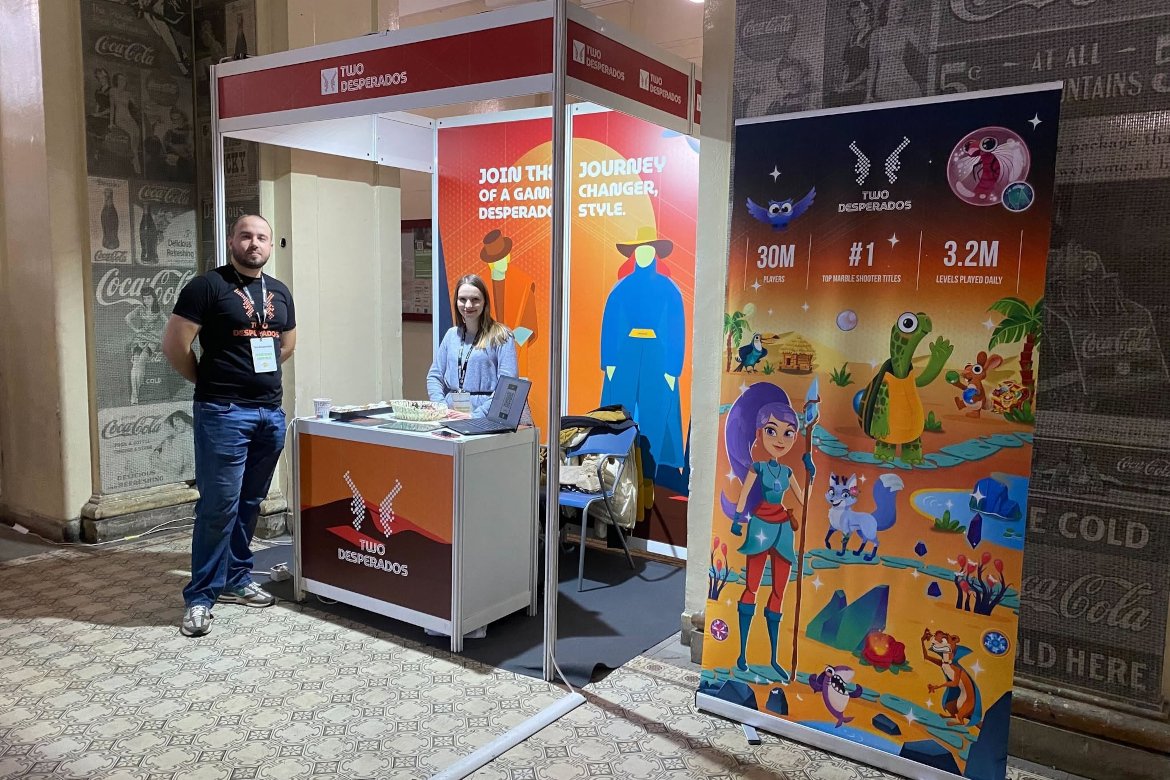

Two Desperados has secured $20 million in user acquisition financing from PvX Partners, giving the casual mobile studio more capital to market its portfolio globally. PocketGamer.biz reported the development, placing it inside a busy stretch for mobile games, creator platforms and the business infrastructure around play.
The studio plans to use the financing to scale user acquisition across existing and future titles while retaining ownership and creative control. Its catalogue includes Nonogram Crossing Logic Puzzle, Marble Shooter: Viola Quest and Marble Woka Woka, and the company says its games have passed 30 million downloads.
Casual Games Enter the Capital Race
Casual mobile games can look simple from the outside, but the business behind them is increasingly capital intensive. A studio needs enough budget to test creatives, audiences, regions and channels before it can know whether a title can scale profitably.
That makes financing a strategic tool rather than a back-office detail. PvX gives Two Desperados room to spend into growth without taking the classic publisher trade-off, where marketing support can come at the cost of control over portfolio direction.
The ownership point is central to the deal. Two Desperados is not selling itself or handing over creative authority; it is using financing to make its games more discoverable in a market where organic reach is rarely enough.
The structure puts more pressure on execution. If the studio understands retention and lifetime value well, more capital can amplify a working formula. If acquisition costs outrun player value, the money will only reveal the ceiling faster.
Marketing Muscle Becomes a Product Feature
In mobile, distribution increasingly shapes what survives. A polished puzzle game still needs data systems, campaign testing and enough reach to find the players most likely to stay.
Two Desperados now has a clearer runway to compete with larger casual publishers. The deal also shows how user acquisition financing is becoming part of the normal growth toolkit for studios that have proven games but need bigger marketing reach.
The deal also reflects how casual mobile games have become more analytical as businesses. Studios have to know which creative concepts attract the right players, which markets repay spending and how quickly a campaign should be cut when performance weakens. A financing line gives Two Desperados more room to run those tests, but it also demands tighter discipline from the team managing spend.
That balance is what makes the PvX arrangement notable. It gives the studio fuel without immediately changing control, but it does not remove the underlying risk of the mobile market. Casual games remain brutally competitive, and even recognisable puzzle mechanics can disappear if acquisition channels become inefficient. The financing creates opportunity; the portfolio still has to prove it can scale profitably.
The broader pattern is a games business that is becoming more financial, more platform-led and more dependent on operating discipline after launch. Announcements like this are not only isolated company updates; they show how studios, rights holders, ad networks and creator platforms are building systems around acquisition, retention, monetisation and recurring audience access. That is the commercial layer now shaping many of the biggest decisions in games, especially across mobile and user-generated ecosystems.
That momentum makes the update useful to watch beyond the headline, particularly as platform economics keep influencing how games are funded, discovered, advertised and monetised.