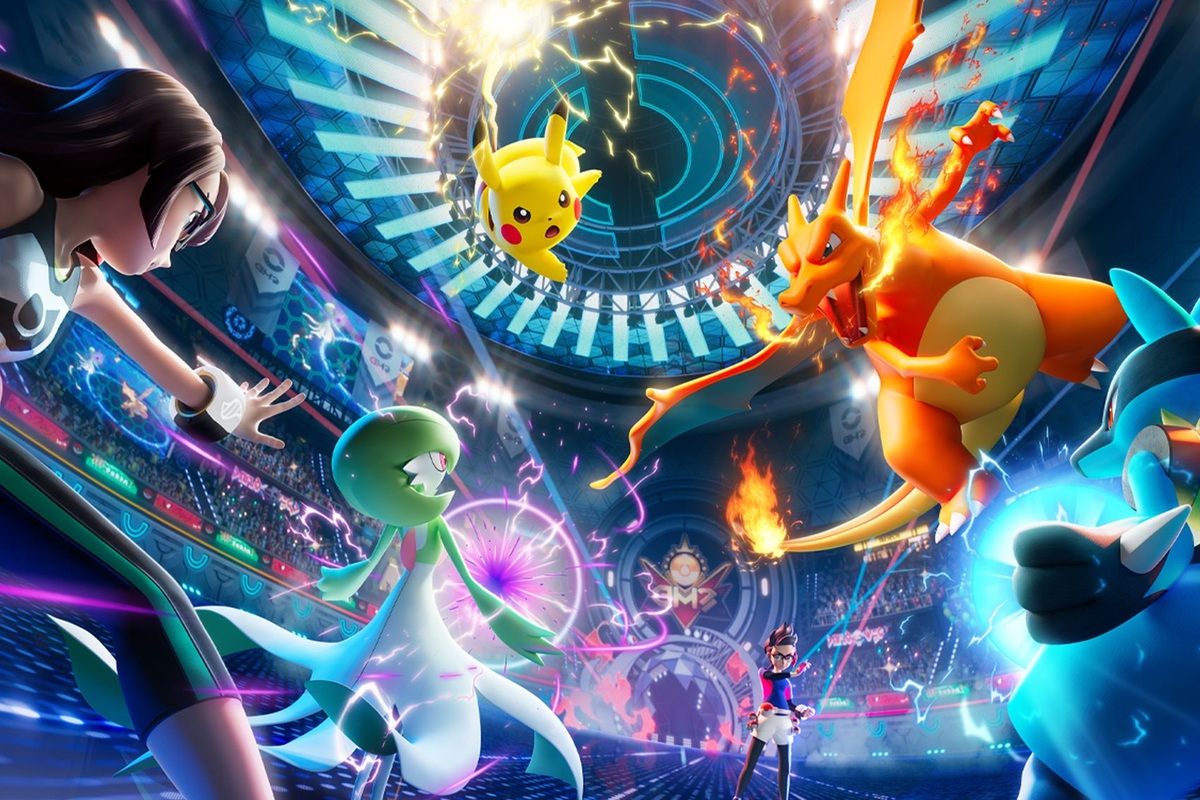

Pokemon Champions made a strong mobile debut, topping iPhone App Store download charts in 13 countries on launch day. PocketGamer.biz reported the development, placing it inside a busy stretch for mobile games, creator platforms and the business infrastructure around play.
Sensor Tower data cited in the report showed number-one results in Japan, South Korea, Hong Kong, Macau, the Philippines, Singapore, Taiwan, Thailand, the United States, Italy, Portugal, Spain and Brazil. The game also reached the top five in 29 countries.
A Focused Battle Hub Finds Its Opening
The launch matters because Pokemon Champions is built around a narrower pitch than a full mainline adventure. It is a dedicated PvP battling hub, which gives mobile players a clear reason to download without expecting a complete role-playing campaign.
That focus may help the game avoid the usual problem of franchise mobile spin-offs that try to do too much. A battle-first product can be easier to maintain, easier to explain and better suited to quick sessions.
The Pokemon Company supported the launch with a distribution event offering Raichu and its Mega Stones until September 2. The reward can also be claimed on Switch, and shared save data lets players continue with the same team across mobile and console.
That cross-platform layer is important because it makes the mobile version feel connected to a broader Pokemon ecosystem. For competitive fans, access across devices could make Champions more than a short-lived companion app.
Download Charts Are Only the First Round
Launch-day rankings show brand power, not long-term retention. Pokemon can generate curiosity almost anywhere, but a PvP hub needs matchmaking depth, balance work and event cadence to keep players active.
The next test is whether Champions can convert early downloads into a durable battle community. If it does, The Pokemon Company will have a cleaner mobile bridge between casual franchise interest and console-connected competitive play.
The launch performance also shows how powerful a focused mobile release can be when it carries a world-class brand. Pokemon Champions does not need to introduce the franchise; it only needs to tell players what role it plays inside the larger ecosystem. The pitch is direct: battle on mobile, connect progress across platforms and participate in a competitive-style loop with familiar creatures.
The harder work begins after the download spike. A PvP hub needs balance, matchmaking quality, event cadence and enough rewards to keep different player types engaged. If The Pokemon Company supports those systems well, Champions could become a durable competitive layer. If updates slow or matchmaking feels thin, the early chart success will look more like brand gravity than product-market fit.
The broader pattern is a games business that is becoming more financial, more platform-led and more dependent on operating discipline after launch. Announcements like this are not only isolated company updates; they show how studios, rights holders, ad networks and creator platforms are building systems around acquisition, retention, monetisation and recurring audience access. That is the commercial layer now shaping many of the biggest decisions in games, especially across mobile and user-generated ecosystems.
That momentum makes the update useful to watch beyond the headline, particularly as platform economics keep influencing how games are funded, discovered, advertised and monetised.