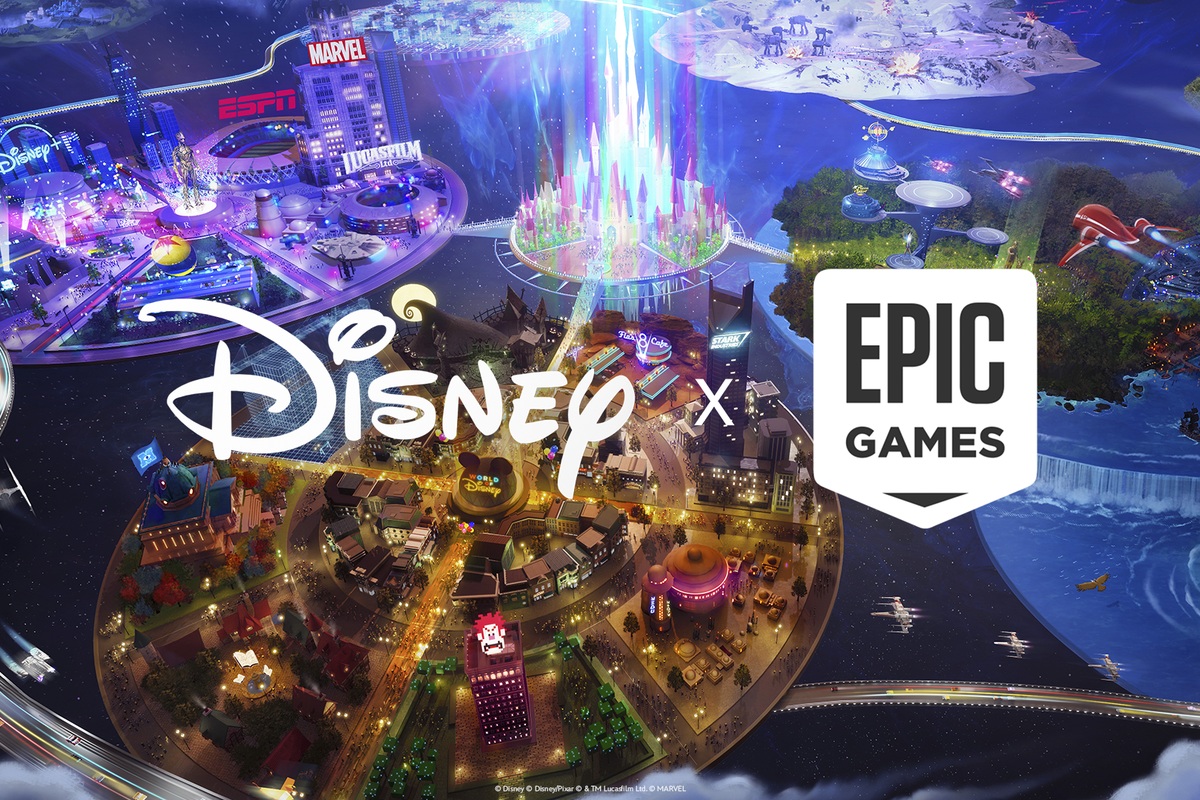
Creators using Unreal Editor for Fortnite have earned more than $1 billion in payouts since the toolset launched in 2023. PocketGamer.biz reported the development, placing it inside a busy stretch for mobile games, creator platforms and the business infrastructure around play.
Epic announced the milestone during Unreal Fest 2026, alongside figures showing more than 75 million monthly active users playing games in Fortnite and community-made games capturing 47% of all Fortnite player hours in May.
Fortnite Becomes a Publishing Layer
The payout total confirms that UEFN is no longer a side experiment. It gives creators Unreal Engine tools for building worlds, experiences and systems that can be distributed directly inside Fortnite cross-platform ecosystem.
That changes the role of Fortnite. The game is increasingly a venue where other games can live, compete for attention and generate revenue. Epic benefits because creator content broadens the platform faster than internal development alone.
Community Islands Capture More Playtime
The playtime shift may be the more important number. If nearly half of Fortnite hours come from community-made games, creators are helping define what Fortnite is for a large portion of the audience.
Epic also said more than 3,000 islands now earn more revenue from in-island transactions. That suggests monetisation is moving beyond engagement payouts and toward a more durable creator business model.
The Platform Trade-Off Comes Into Focus
The opportunity for creators is reach. A successful UEFN project can access an audience that would be hard to gather with a standalone launch.
The trade-off is dependence on Epic rules, discovery systems and payout formulas. Even so, the $1 billion milestone puts UEFN into serious platform territory and strengthens Epic argument that Fortnite can be a long-term home for user-generated games.
The milestone also changes how outside developers may view Fortnite. UEFN is not just a tool for hobbyists; it is becoming a place where teams can test commercial ideas, reach a massive audience and earn money without launching a separate product. That could attract more experienced studios into the ecosystem, especially those interested in fast iteration and cross-platform distribution.
Epic still has to manage the platform carefully. If discovery favours a small number of winners, the creator economy could become difficult for new teams to enter. If payout rules change too often, developers may hesitate to invest. For now, the $1 billion figure gives Epic a powerful proof point: creator-made Fortnite experiences are generating real businesses, not just extra content.
The broader pattern is a games business that is becoming more financial, more platform-led and more dependent on operating discipline after launch. Announcements like this are not only isolated company updates; they show how studios, rights holders, ad networks and creator platforms are building systems around acquisition, retention, monetisation and recurring audience access. That is the commercial layer now shaping many of the biggest decisions in games, especially across mobile and user-generated ecosystems.
That momentum makes the update useful to watch beyond the headline, particularly as platform economics keep influencing how games are funded, discovered, advertised and monetised.