
Key Notes
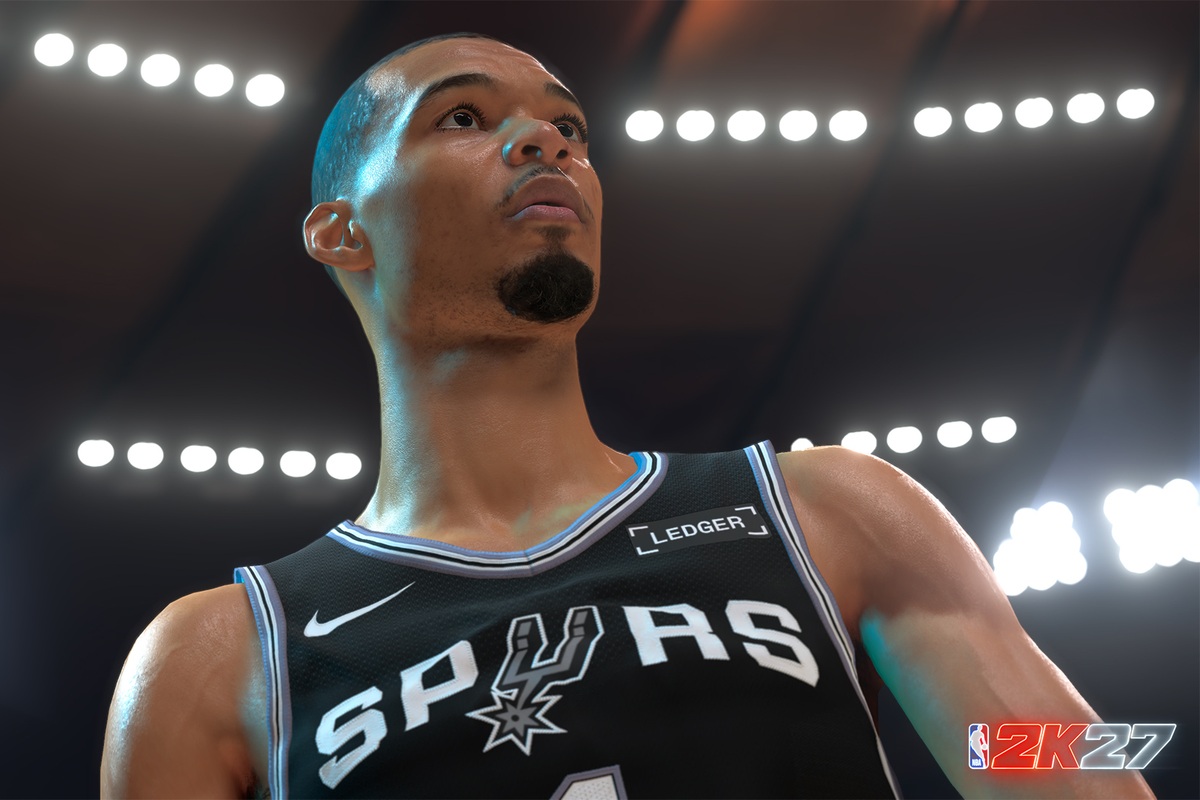
- Six new releases entered August’s US top 10, led by NBA 2K27, which also reached third place in Circana’s year-to-date full-game revenue ranking.
- Total US gaming spending fell 9% to $4.3 billion as mobile spending dropped 18%, outweighing growth in PC content and subscriptions.
- Hardware unit sales fell 15% to the lowest August total since 2013, while the average price paid reached an August record of $541.
Six new releases entered the U.S. paid-game sales top 10 in August 2026, with NBA 2K27 taking first place ahead of EA Sports Madden NFL 27 and Marvel Tokon: Fighting Souls. The busy release slate did not prevent a broader decline: Circana estimates Americans spent $4.3 billion on games, hardware and accessories, down 9% from a year earlier.
Circana analyst Mat Piscatella published the figures on October 8. The report covers August 2–29, so its rankings describe an earlier sales period rather than the games leading the market this week. Content spending fell 10% to approximately $3.8 billion, with weaker mobile spending the main drag.
Six New Entries Reshape the August Top 10
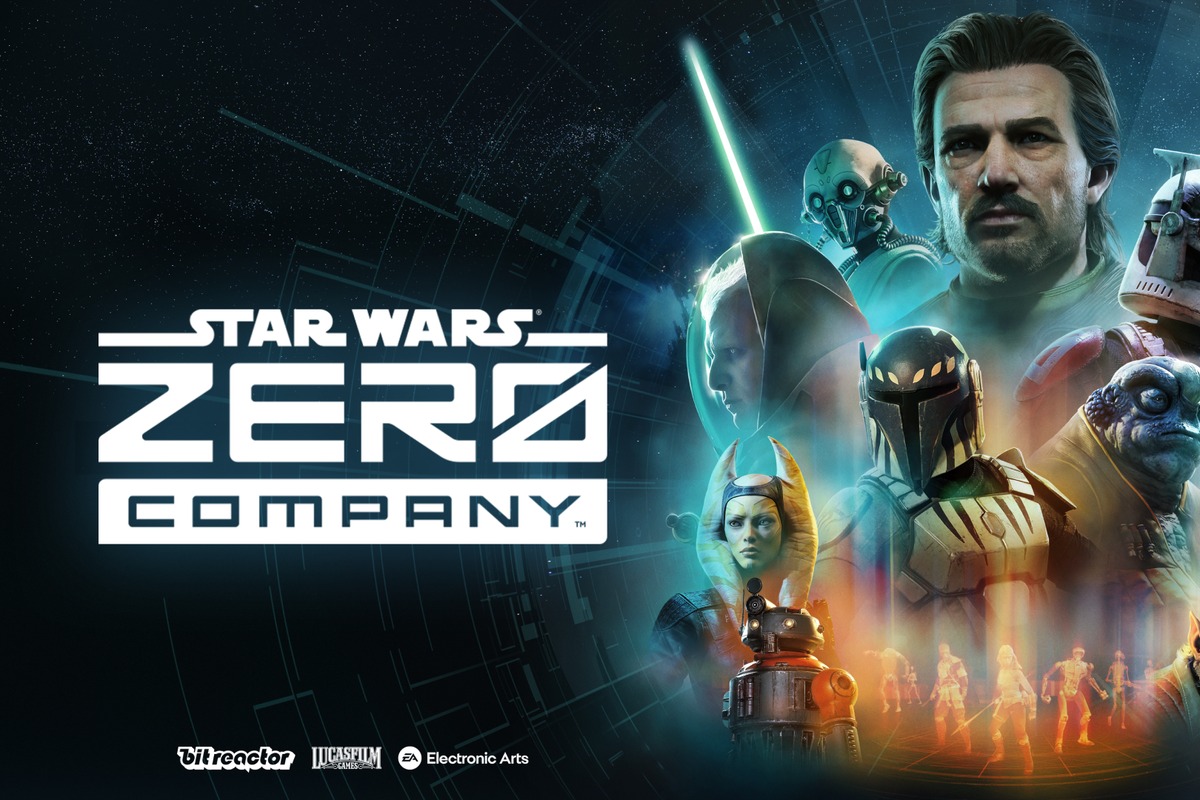
New releases occupied the first five positions. EA Sports Kickoff Bundle followed the three chart leaders in fourth place, while Star Wars Zero Company debuted in fifth. Big Walk supplied the sixth new entry at number eight, giving the table a mixture of sports releases, a fighting game, Star Wars strategy and an independently published title.
NBA 2K27 also entered Circana’s year-to-date ranking in third place, behind Resident Evil Requiem and 007 First Light. Its August appearance reflects the premium-edition launch: 2K’s announcement put early access on August 26, ahead of the worldwide release on September 4. That distinction explains how a September release could already lead the August chart.
| Rank | Game | Change |
|---|---|---|
| 1 | NBA 2K27^ | New |
| 2 | EA Sports Madden NFL 27* | New |
| 3 | Marvel Tokon: Fighting Souls^ | New |
| 4 | EA Sports Kickoff Bundle (2026)* | New |
| 5 | Star Wars Zero Company* | New |
| 6 | Halo: Campaign Evolved* | Unchanged |
| 7 | Elden Ring^ | Up 34 |
| 8 | Big Walk* | New |
| 9 | Mario Kart World* | Up 10 |
| 10 | Splatoon Raiders* | Down 3 |
Source: Circana’s sales chart, reporting period August 2–29, 2026. ^ Includes actual digital point-of-sale data. * Includes digital sales projections. Rankings combine physical and full-game digital dollar sales; mobile games and digital add-on content are excluded.
Elden Ring made the largest upward move among returning entries, climbing from 41st to seventh. Mario Kart World rose from 19th to ninth, Halo: Campaign Evolved held sixth place and Splatoon Raiders slipped from seventh to tenth. These are revenue positions, so a higher rank does not establish which game sold the most copies.
Star Wars Zero Company’s debut also adds context to the situation at its developer. We reported that Bit Reactor had begun bringing back furloughed staff after financial difficulties before launch. Its fifth-place U.S. result demonstrates commercial demand, though the chart cannot establish the studio’s profitability or how many more employees it can recall.
Mobile Weakness Outweighs PC Growth
The contrast between a crowded release chart and falling spending comes from what each measure includes. The top 10 ranks paid full-game sales, while Circana’s market total also captures spending on mobile games, subscriptions, additional content, hardware and accessories. Strong launches in one part of the business can coexist with a decline across the whole market.
Mobile spending, supplied by Sensor Tower, dropped 18% year over year. Console content spending fell 7%, while PC content grew 13% and subscriptions increased 3%. Those gains were insufficient to offset the larger areas of weakness. Accessories provided another small positive, rising 3% to $176 million.
Through August, total U.S. gaming spending stood at approximately $36.3 billion, 3% below the comparable 2025 period. Content accounted for roughly $32.2 billion, down 2%. The monthly figures therefore show a sharper contraction than the year-to-date picture.
Fewer Consoles Sold at Higher Prices
Hardware spending declined 3% to $302 million, but unit sales dropped much faster: down 15% to 559,000. Piscatella described that as the lowest August unit total since 2013. The average price paid for new gaming hardware reached an August record of $541, compared with the previous record of $476 a year earlier.
Nintendo Switch 2 led hardware sales in both units and dollars for August and the year to date, with PlayStation 5 second on both measures. PS5 hardware revenue rose 17% year over year, while spending on Xbox Series and Switch 2 each fell 13%. Higher prices helped support the dollar totals even as fewer devices changed hands.
For publishers, August offered evidence that major launches can still win substantial spending alongside returning favorites. For the wider market, the more difficult signal is the combination of weaker mobile revenue and fewer hardware purchases: six fresh top-10 entries were not enough to restore overall growth.