Key Notes
- Probably Stolen sold 200,000 copies in its first hours on Steam, following a prelaunch campaign that reached 500,000 wishlists.
- SteamDB recorded a launch-day peak of 86,099 simultaneous players, exceeding the recorded highs of Graveyard Keeper 2 and its predecessor.
- The Windows release includes nine starting scenarios, four difficulty settings and Workshop support, with additional free content planned.
Probably Stolen has sold 200,000 copies within hours of its October 28 Steam launch, according to Questing Goose Studio and publisher tinyBuild. The cyberpunk shopkeeping simulator also attracted over 86,000 simultaneous players within its first 90 minutes, turning a well-attended demo campaign into a substantial paid release.
The team announced the sales milestone on launch day. At that point, Probably Stolen was second in Steam’s global top-sellers chart, with 95% of more than 400 user reviews recommending it. Those figures describe the studio’s early launch snapshot rather than a final first-day total.
A Launch Peak Above Graveyard Keeper 2
SteamDB recorded an exact peak of 86,099 concurrent players on October 28. That measures people playing at the same time, separately from the developer’s cumulative sales announcement.
The result places Probably Stolen above some of tinyBuild’s best-known simulation games on that measure. Graveyard Keeper 2 reached 60,538 players at its September peak, while the original Graveyard Keeper’s recorded high is 46,305. Probably Stolen exceeded both during its opening afternoon.
It also arrived with unusually strong early feedback for a new management game. The review sample remained small compared with the announced sales, but the combination of purchases, concurrent activity and recommendations gave the team several signs of immediate interest.
Half a Million Wishlists Before Release
The launch followed an extended period in which players could try the game before buying it. On October 27, Questing Goose reported 500,000 Steam wishlists and said more than 100,000 people had taken part in its playtest, which opened in August.
The studio also named Probably Stolen among the most-played demos at October’s Steam Next Fest. Feedback from the testing period informed changes before launch, and the team thanked both playtest and demo participants when it disclosed the sales milestone.
Wishlists indicate interest rather than guaranteed purchases, and the studio has not published a breakdown of how buyers discovered the game. Even so, the testing campaign gave a large audience a chance to learn its systems before the paid version arrived.
The result follows other notable October launches from smaller teams. We reported on Wych Elm’s five-person team reaching 100,000 Silver Pines sales across platforms a week after release, another example of a focused genre game finding an early audience.
What Players Get in Version 1.0
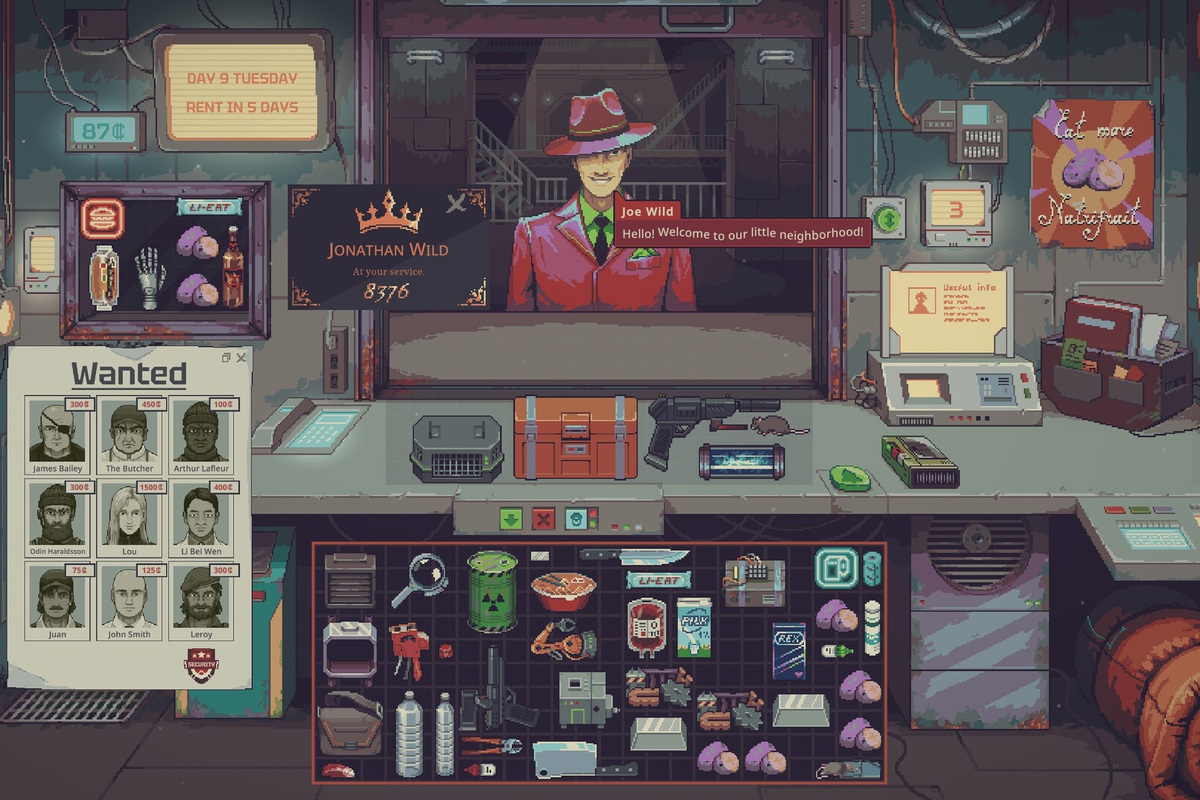
Probably Stolen is available for Windows through Steam, priced at $19.99 in the US before a 10% launch discount reduces it to $17.99. It is a single-player game set aboard a dystopian space station, where a former scavenger runs a shop under pressure from rising rent.
Buying, crafting and reselling goods are only part of the job. Players must judge suspicious merchandise, navigate faction relationships and decide whether the potential margin on contraband outweighs the risk of an inspection. The long-term objective is to earn enough to buy the premises from the landlord.
The launch notes list nine starting scenarios and four difficulty settings. Different starts support businesses such as water trading, gunsmithing and hydroponic farming, while Rock Bottom begins with nothing. Version 1.0 also includes completed character storylines, an ending, overnight vending-machine sales and Steam Workshop support.
Demo saves can transfer to the full game, although the developers recommend a fresh start to avoid missing new storylines. The demo has been retired, and mods made for it may not work with the release version.
The team plans further free content updates, including additional starting scenarios and expeditions involving recruited characters. Those additions are future plans; the shop-buyout ending and the nine launch scenarios are already part of the released game.