
Key Notes
- The Verge reports more than 400,000 E-Day copies sold across Xbox and Steam, citing one source rather than an official Microsoft sales announcement.
- Alinea’s earlier October 9 estimates separated 230,000 purchases from 1.7 million Game Pass players, including 722,000 who bought the Premium upgrade.
- The two reports cover different dates and measures, so paid sales alone do not establish total reach or whether Microsoft has met its financial targets.
Gears of War: E-Day has sold more than 400,000 copies across Xbox and Steam, according to The Verge’s Tom Warren. The reported total covers purchases rather than the wider audience accessing the shooter through Xbox Game Pass.
Warren reported the figure on October 29, citing one source. That puts the update just over three weeks after the game’s October 6 release. Microsoft has not publicly confirmed the sales number, and the report does not provide an updated breakdown between the two storefront ecosystems.
Paid Sales Cover Only Part of E-Day’s Audience
The Coalition’s shooter launched on Xbox Series X|S and PC, including Steam and Microsoft’s PC storefront. It also entered Game Pass Ultimate and PC Game Pass on release day, giving eligible subscribers a way to play without purchasing the full game.
That creates several different measures of its performance. A copy sold, a subscription player and a subscriber buying additional content are separate transactions or forms of access. The reported 400,000-plus sales therefore cannot be read as the game’s total player count.
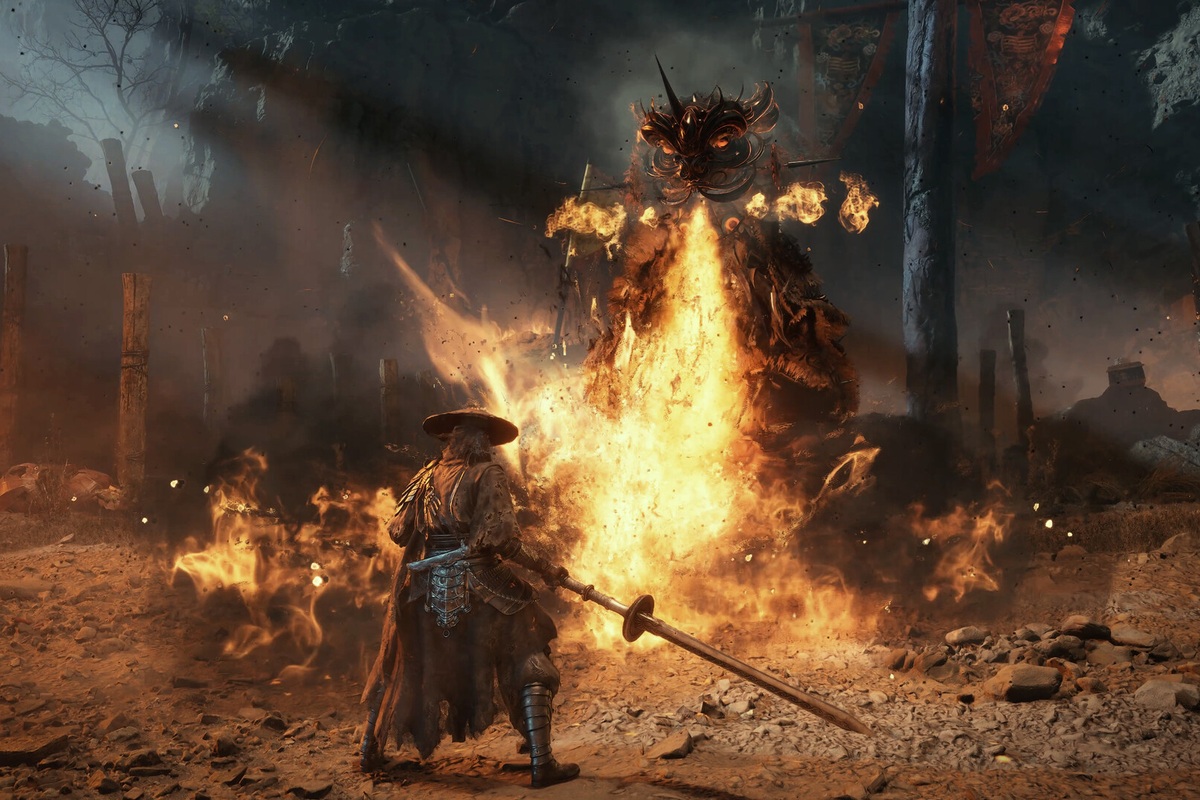
The game returns to the beginning of the Locust invasion, following Marcus Fenix and Dominic Santiago fourteen years before the original Gears of War. Its campaign, Horde Siege and Versus modes give Microsoft both a traditional game purchase and an ongoing multiplayer attraction for subscribers.
Alinea’s Earlier Estimates Show the Split
Alinea Analytics published an earlier analysis on October 9, covering the period from the October 1 advance-access launch through the first days after general release. Its estimates put outright purchases at 230,000 copies, with Steam accounting for most of them.
| Measure | Estimate |
|---|---|
| Full-game sales across Steam and Xbox | 230,000 copies |
| Steam full-game sales | 168,000 copies |
| Xbox console and PC full-game sales | 62,000 copies |
| Players accessing through Game Pass | 1.7 million |
| Game Pass players buying the $30 Premium upgrade | 722,000 |
| Total game revenue | About $37 million |
| Revenue through the Xbox ecosystem | About $26 million |
The Premium upgrade offered subscribers up to five days of early access. Those buyers were already included in Alinea’s estimated Game Pass audience, so adding them to the subscription-player total would count the same people twice. An upgrade also does not turn into a full-game sale simply because a subscriber paid for it.
Alinea’s revenue estimates show why the unit-sales split and the spending split can point in different directions. Steam led outright purchases, while the Xbox ecosystem generated most of the estimated revenue once Premium upgrades were included. These remain analyst estimates rather than Microsoft’s financial disclosures.
The Subscription Question Remains Open
The October 9 estimate and Warren’s October 29 report are separate snapshots from different sources. They suggest a higher paid-sales total later in the month, but they do not establish an exact growth rate or a current Game Pass player count. The earlier $37 million estimate should not be presented as revenue through October 29.
Nor can subscription players be treated as an equal number of lost purchases. Some subscribers might have bought E-Day without Game Pass; others might not have played it at all. Assessing the release’s commercial return would also require information about subscription retention, additional spending and Microsoft’s costs and targets.
We previously covered Microsoft’s plans to invest more in Xbox consoles while continuing to develop its PC business. E-Day provides a concrete example of the different audiences that strategy has to serve: buyers paying for a copy, subscribers playing through membership and players spending extra on upgrades.