Key Notes
- The report counts 2,924 Steam Early Access launches by mid-October, with the latest market-share figure covering only part of 2026.
- Valve requires a playable game worth its current price, while advising customers to judge the available build rather than promises about future content.
- Subnautica 2 uses a separate optional testing branch, while Paralives is prioritising core gameplay and fixes before larger additions.
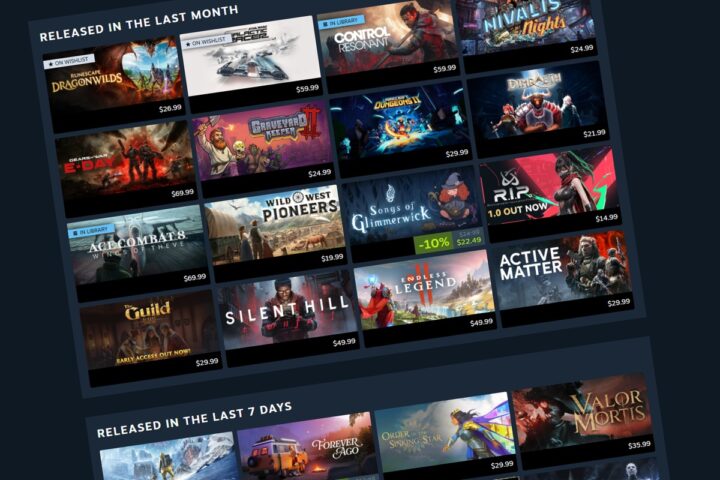
Steam Early Access accounted for 2,924 game launches by mid-October 2026, according to SteamDB figures cited in a GamesIndustry.biz feature. Its growing share of releases is raising a practical question for studios: how unfinished can a game be when players start paying?
The report puts Early Access at 13.7% of Steam releases in its 2026 snapshot, compared with 11.3% in 2025 and 10.4% in 2024. The latest figure covers part of the year, rather than a completed annual total.
A Playable Launch Has to Justify the Purchase
“Developers need to treat Early Access like a real launch, because players do,” Apocalypse Studios creative director Ethan McKinnon told GamesIndustry.biz. That captures the tension between an unfinished development process and a product already on sale.
Valve’s developer guidance sets a clear baseline: an Early Access game must already be playable and worth its asking price. A technology demonstration without meaningful gameplay is not enough, and studios should not sell customers on specific promises about future features.
The programme is also distinct from Advance Access, where an edition lets buyers start playing before a completed game’s general release. Early Access involves continuing development with the community. Valve asks developers to explain the current build, the intended differences in the full version and how player feedback will shape the work.
Steam’s buyer FAQ reinforces that distinction. Customers should assess what they can play now, look at recent updates and understand that some teams may never finish their game. Buying an Early Access title provides immediate access and retains access after its full release; it is not simply a preorder.
Subnautica 2 Separates Public Play From Experimental Testing
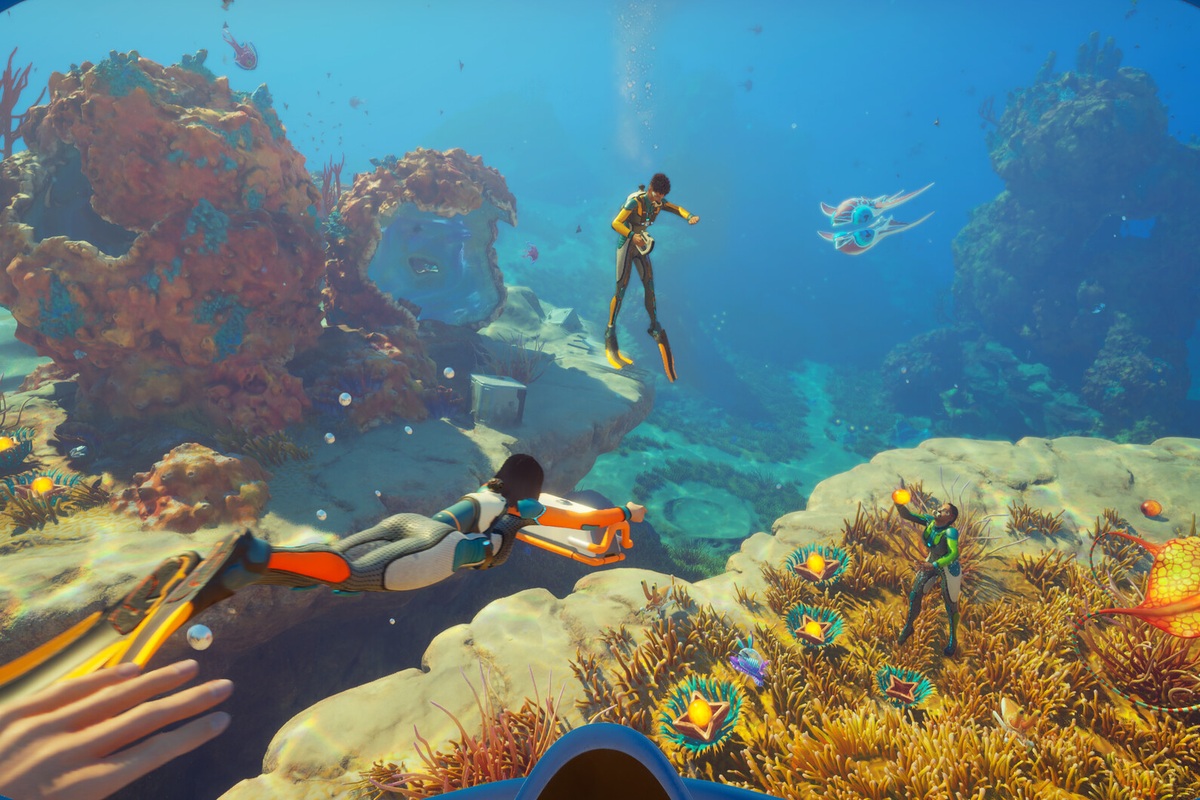
Subnautica 2 shows how a studio can make that development process explicit. Unknown Worlds launched the underwater survival game into Early Access on May 14. Its Steam page describes solo play and co-op for up to four players, alongside plans to expand the world, creatures, crafting and narrative.
The studio estimates a two-to-three-year Early Access period, while warning that the duration is difficult to predict. It also says the price will rise after Early Access. These are development expectations and a pricing plan, rather than a fixed completion date or a claim that every planned feature is already available.
In August, Unknown Worlds added an optional Experimental branch on Steam and Xbox. It gives willing testers earlier access to upcoming changes before those features reach the main Early Access build. The studio warns of potentially game-breaking bugs and keeps saves separate because the two versions are incompatible.
That arrangement makes an important distinction within an unfinished game: players can choose the public development build or opt into a less stable testing environment. It provides a route for rapid experimentation without requiring every customer to use the roughest version of an update.
Updates Need to Improve the Game Already on Sale
Paralives offers another example of the decisions involved after launch. We covered its first major update being pushed beyond the original end-of-2026 target as the team prioritised everyday gameplay, relationships, the economy and problems that could break players’ homes.
The studio’s October development update lists eight patches and eight hotfixes since Early Access began. It says feedback informed the next update’s priorities, while larger additions such as weather, pets and cars remain work for later updates. There is no replacement release date for the first major update.
For players, that makes the distinction between a repair, an improvement and an expansion worth watching. A longer feature list does little for someone whose existing save will not load. Explaining which problem is being addressed gives customers something concrete to judge, even when a larger update takes longer than expected.
For developers, the preparation extends beyond a launch trailer. The store page needs to describe a build that exists, the team needs a way to collect and prioritise reports, and update announcements need to distinguish delivered changes from plans. A roadmap can explain direction, but the playable game remains the purchase players actually receive.