Key Notes
- Joost van Dreunen estimates that EA faces about $1.8 billion in yearly interest on roughly $18 billion of debt, and warns that further layoffs could follow BioWare’s Edmonton closure.
- The roughly $1.5 billion earnings figure in his comparison is estimated EBITDA rather than net profit, so it should not be presented as a complete calculation of EA’s ability to service its debt.
- EA has canceled the next Mass Effect project and paused The Sims’ Project Lotus, while no sale or revival of BioWare’s franchises has been announced.
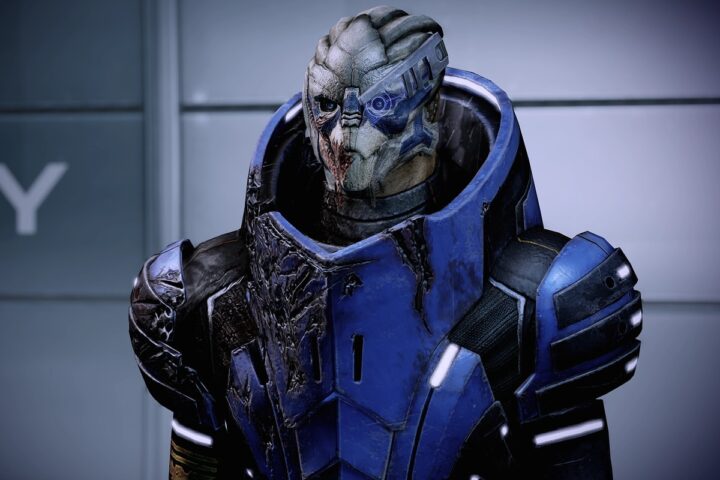
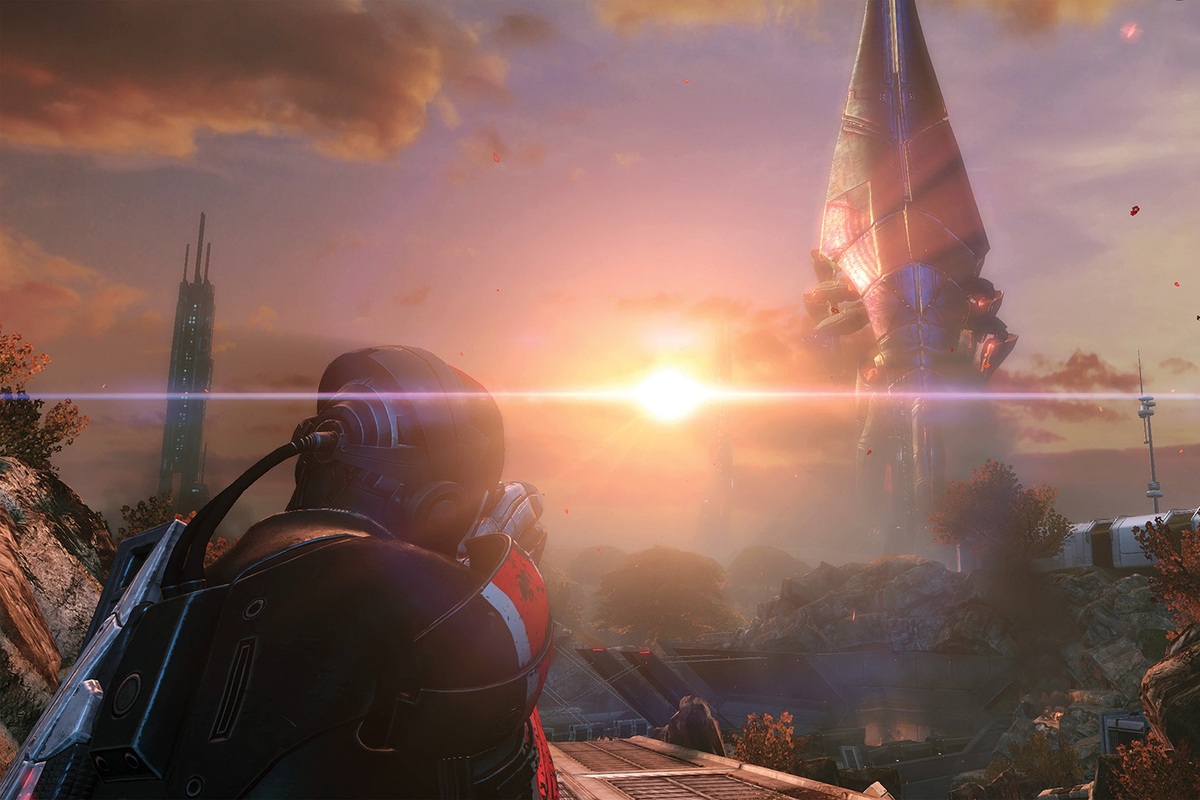
Electronic Arts could face more layoffs as the debt from its $55 billion buyout puts pressure on development spending, games analyst Joost van Dreunen has warned. His assessment follows the publisher’s decision to close BioWare’s Edmonton studio and end early development of the next Mass Effect game.
Speaking to IGN for its analyst interviews, van Dreunen estimated that EA carries roughly $18 billion in debt and faces about $1.8 billion in annual interest. He expects more cuts in the coming months, with November’s company town hall a potential moment for further news. That is his forecast, rather than a newly announced round of layoffs.
The Debt Figures Need the Right Comparison
The borrowing was part of the acquisition structure from the outset. EA’s September 2025 deal announcement set out approximately $36 billion of equity investment and $20 billion in committed debt financing, with $18 billion expected to be funded at closing. A financing commitment and the amount actually drawn are different figures.
EA subsequently confirmed that the acquisition by Saudi Arabia’s Public Investment Fund, Silver Lake and Affinity Partners closed on August 4, 2026. This was a leveraged buyout: borrowed money helped finance the purchase, leaving the acquired business supporting the financing through its future operations.
Van Dreunen compares the estimated interest bill with annual EBITDA of around $1.5 billion. EBITDA means earnings before interest, taxes, depreciation and amortization; it is not net profit, revenue or cash available after every business expense. His comparison highlights pressure on operating earnings, but it is not, by itself, a forecast of insolvency or a full cash-flow calculation.
He also told IGN that EA had promised lenders $700 million in annual cost reductions. The interest and earnings figures should be read as the estimates used in his analysis, rather than a newly published set of audited post-acquisition results.
EA Has Confirmed Specific Portfolio Changes
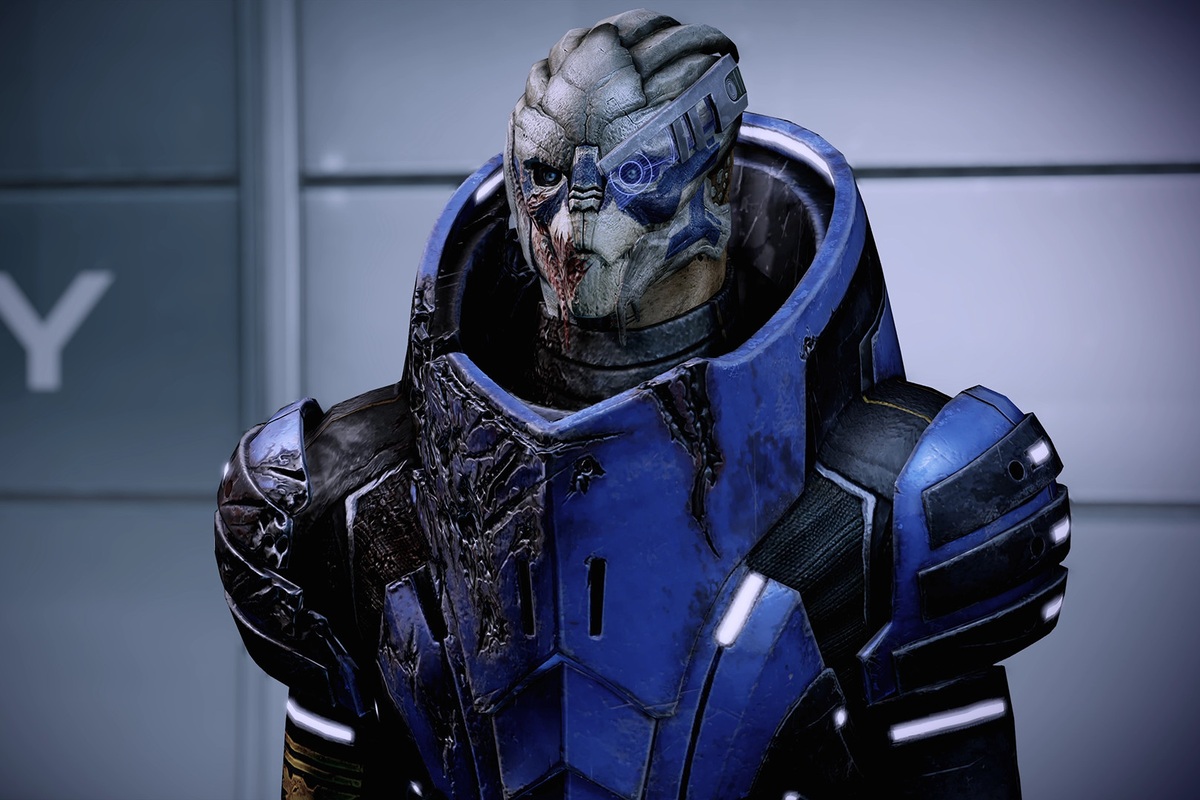
The company’s October 21 employee memo provides a firmer account of which decisions have already been made. It ends the next Mass Effect project and closes the Edmonton workspace, a development we covered when the restructuring was announced.
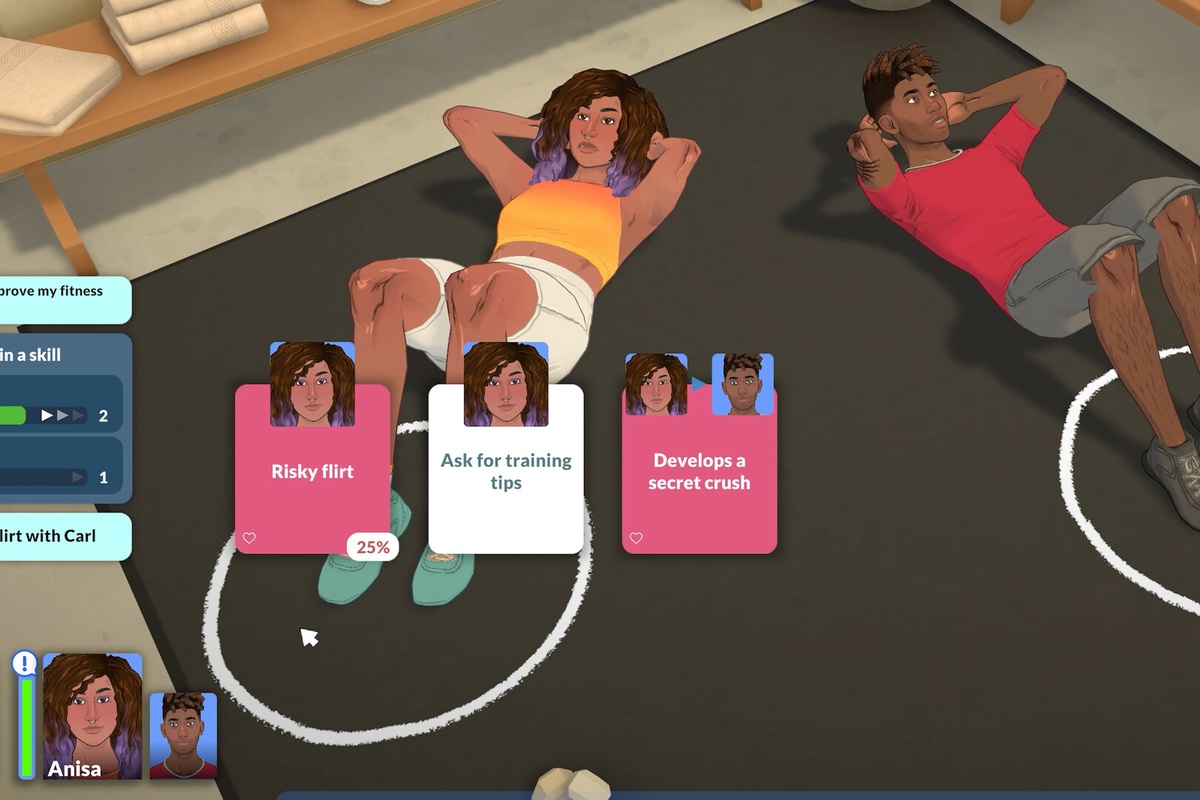
The Sims requires a separate distinction. EA says it is pausing Project Lotus to concentrate resources on Project Evergreen. The memo also calls for a smaller, more focused skate. team. Those are confirmed changes, but a development pause is different from a permanent cancellation or an announcement that the entire Sims franchise is ending.
EA’s stated priorities include expanding its sports business, investing in Apex Legends and developing future Battlefield projects. Respawn and DICE will collaborate on another project, while Marvel’s Iron Man and the next Star Wars Jedi game remain in its plans. The company says it will pursue fewer simultaneous large-scale action-adventure projects beyond those releases.
The memo also identifies Asia as an opportunity to reach new audiences with experiences tailored to local players. Sports, recurring engagement and new markets therefore form part of EA’s publicly stated direction, alongside van Dreunen’s interpretation of what that means for expensive role-playing games.
BioWare’s Franchises Face More Than a Funding Question
Van Dreunen argues that a company seeking predictable cash flow can treat Mass Effect and Dragon Age as prestige projects even when their names retain substantial appeal. In that framework, a game still years from generating sales competes for funding against businesses already producing recurring income.
Ampere’s Piers Harding-Rolls told IGN that BioWare’s recent commercial performance also mattered, and that discussions about its future likely predated the completed acquisition. The analysts’ argument involves development costs, sales performance and financing pressure together, rather than establishing the debt as the sole cause of the closure.
A sale of the franchises remains uncertain. Van Dreunen cautioned that purchasing recognizable intellectual property and funding a new production could be too expensive for many potential buyers. The interviews do not establish a transaction for Mass Effect or Dragon Age, or prove that selling them is the only possible route to future games.
We also reported on Canadian politician Avi Lewis’s call for federal support to help employees buy and run BioWare. That remains a proposal, rather than an agreed acquisition or a funded revival of the canceled project.