
Key Notes
- Nintendo’s first-half revenue fell 12.1% to ¥966 billion, while operating profit rose 49.1% as software sales and tariff refunds improved profitability.
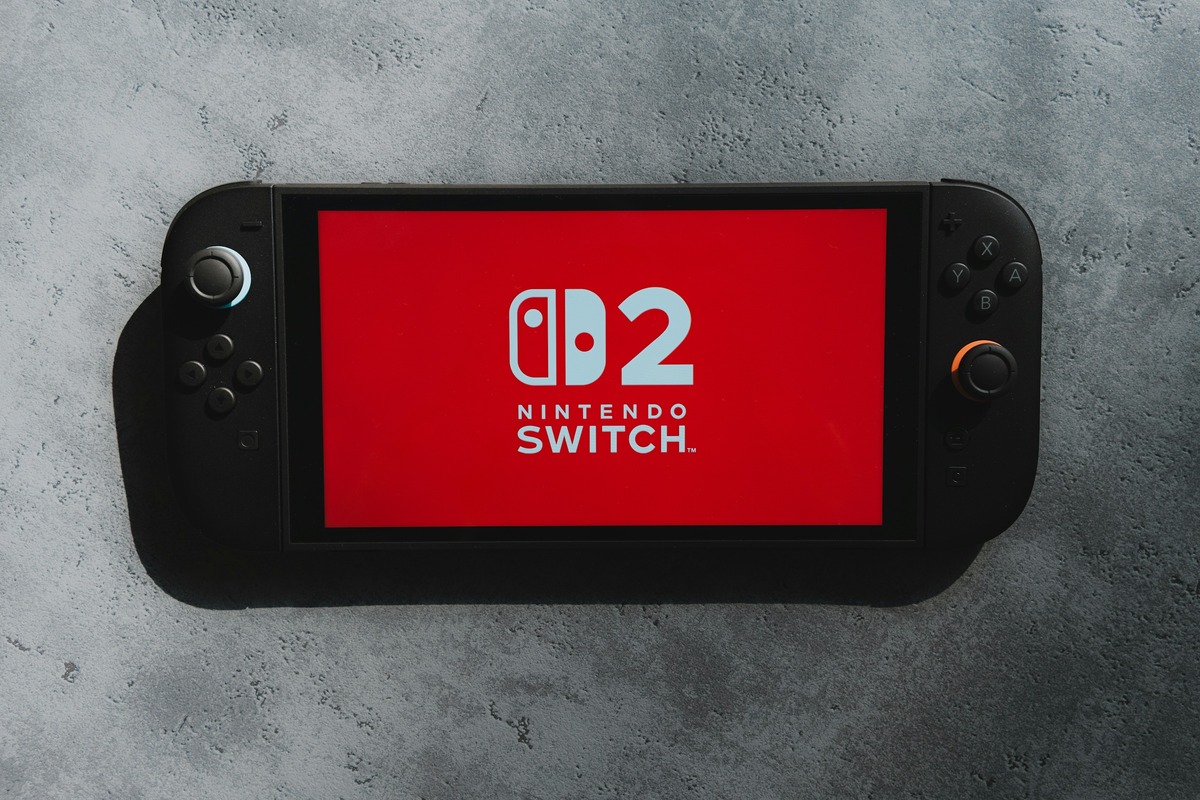
- Switch 2 hardware sales declined 37.4% to 6.49 million units, taking lifetime sales to 26.35 million by September 30.
- Nintendo kept its 16.5 million annual Switch 2 hardware target and its full-year financial forecast unchanged.
Nintendo’s revenue fell 12.1% to ¥966 billion in the six months through September, as Switch 2 shipments slowed from their launch-year pace. Profit moved in the opposite direction: operating profit rose 49.1% to ¥216.5 billion, helped by stronger software sales and a U.S. tariff refund.
The November 5 earnings presentation covers April 1 to September 30, 2026, the first half of Nintendo’s fiscal year ending March 2027. Net profit attributable to the parent company’s owners increased 11% to ¥220.9 billion.
Switch 2 Falls Below Its Launch-Year Pace
Nintendo sold 6.49 million Switch 2 systems during the half-year, down 37.4% from 10.36 million in the comparable period. The year-earlier figure included the console’s June 2025 launch, making the comparison particularly demanding.
The original Switch also declined, with hardware sales falling 32.7% to 1.27 million units. Nintendo attributed the drop in its dedicated gaming-platform revenue primarily to lower hardware unit sales, even as software sales increased.
These are sell-in figures: Nintendo’s sales to outside customers, including retail partners and purchases through its own direct-sales channels. They should not be treated as an exact count of consoles bought from retailers or used by players during the period.
Nintendo’s sales data puts lifetime Switch 2 hardware sales at 26.35 million by September 30. The original Switch reached 157.20 million.
Software and a Tariff Refund Lift Profit
With hardware contributing a smaller share of revenue, software became more important to Nintendo’s profitability. Switch 2 software sales grew 18.8% to 24.49 million units, while original Switch software rose 6.8% to 65.73 million.
During the half-year, Tomodachi Life: Living the Dream sold 8.81 million copies, Rhythm Heaven Groove sold 2.89 million and Splatoon Raiders reached 2.42 million. Mario Kart World added 1.78 million copies over the same period.
| Metric | Result | Year-on-Year |
|---|---|---|
| Revenue | ¥966.0bn | -12.1% |
| Operating profit | ¥216.5bn | +49.1% |
| Net profit | ¥220.9bn | +11.0% |
Digital sales increased 60.5% to ¥249.6 billion, representing 60.7% of dedicated-platform software revenue. That category includes downloadable games, add-on content and Nintendo Switch Online; the percentage measures revenue rather than the share of game copies sold digitally.
Nintendo also recorded approximately $300 million in tariff refunds as a reduction in first-quarter cost of sales. Alongside the shift toward software, that helped its operating margin rise from 13.2% to 22.4%.
Nintendo Holds Its Full-Year Forecast
The company left its annual outlook unchanged, forecasting ¥2.05 trillion in revenue, ¥370 billion in operating profit and ¥310 billion in net profit for the year ending March 31, 2027.
Its Switch 2 hardware target remains 16.5 million units. Subtracting the first-half result leaves approximately 10 million units to sell in October–March to meet that forecast, including the holiday shopping period.
Nintendo has already allowed for approximately ¥100 billion in cost pressure from higher component prices, particularly memory, and tariffs in its annual assumptions. The first-half profit increase therefore comes alongside continuing cost pressures in its outlook.
We reported on Sony’s rising PlayStation profit earlier today. That report covers July–September; Nintendo’s figures cover six months, so the reporting periods need to be kept distinct when comparing the two companies.