
Key Notes
- Microsoft is surveying some Xbox Insiders about timed or permanent console exclusivity for major franchises, according to screenshots verified by Windows Central.
- The broadest scenario exempts Call of Duty and leaves PC unchanged, while describing restrictions on future Minecraft sales and updates on competing consoles.
- The questionnaire tests possible responses rather than announcing a new platform policy, so individual games still need their own confirmed release plans.
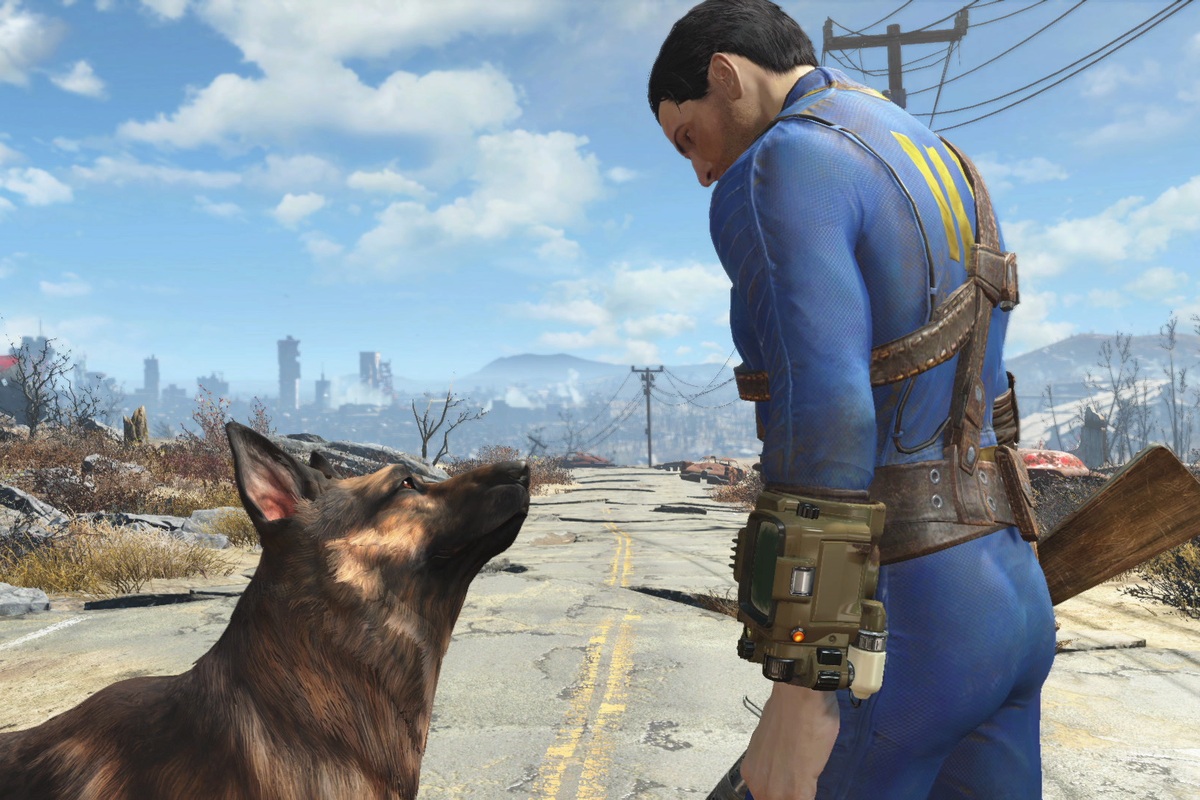
Microsoft is asking some Xbox players how they would respond if major franchises including Fallout, The Elder Scrolls and Minecraft became console exclusives. The questionnaire explores both individual series and a broader return to exclusivity, according to survey screenshots obtained and verified by Windows Central.
The questions are hypothetical. Microsoft has not announced that these franchises will leave competing consoles, and the survey does not establish the release platforms of any particular upcoming game. What it does reveal is the range of options being put to players as Xbox weighs how to strengthen demand for its hardware.
What the Survey Actually Asks
Windows Central reported that the questionnaire reached a subset of Xbox Insider users and asks how exclusivity would affect their purchasing and playing habits. Respondents are presented with scenarios involving timed access or permanent console exclusivity across several familiar franchises.
One question goes further, describing a future in which Xbox-developed franchises become exclusive to Xbox consoles, with Call of Duty excepted. PC would remain unaffected under that scenario. Players are asked whether they would use an Xbox they already own, buy one, move to PC or skip the games.
Minecraft receives a particularly consequential qualification: in the hypothetical scenario, existing titles would stop being sold on PlayStation and Nintendo consoles and would receive no further content updates there. Content already owned would remain accessible. That wording is important because ending new sales, ending updates and removing purchased games are different actions.
Exclusive Games and the Hardware Question
The commercial question behind the survey is straightforward. A game that launches everywhere can reach customers who have no intention of buying another console. A console-exclusive release can instead give those customers a reason to consider Xbox hardware, while limiting the audience able to buy it on rival systems.
There is no guaranteed conversion between those two outcomes. A player denied a PlayStation version might buy an Xbox, choose the PC edition or simply spend their money on another game. The questionnaire explicitly tests those alternatives rather than assuming every lost sale elsewhere becomes a new Xbox customer.
We recently covered Microsoft’s plans to increase console investment and develop a family of next-generation Xbox devices. Exclusivity would be another lever in that strategy, but a survey about software does not confirm changes to the hardware roadmap.
The continued PC option also makes the proposal narrower than an Xbox-device-only ecosystem. In the scenarios described by Windows Central, someone could remain outside the console business and still play on a computer. That gives Microsoft a different balance to consider between selling hardware and reaching software customers.
A Survey Is Not a Release Commitment
For players deciding whether to keep or replace a console, the useful distinction is between a question Microsoft is asking and a decision it has made. The report supplies evidence of the former. It does not supply an announced timetable, a list of games changing platforms or a transition policy.
Existing game purchases should not be treated as threatened by the questionnaire. Even the most sweeping Minecraft scenario distinguishes future sales and updates from content people already own. Turning that scenario into a claim that Microsoft is removing purchased games would misstate the evidence.
The survey makes Xbox’s platform strategy a live discussion again. Until Microsoft announces a change, the reliable basis for planning remains each game’s confirmed platforms, rather than the most dramatic option included in a research questionnaire.