Key Notes
- The reported Xbox price range is an internal projection, with the eventual retail offer depending on Microsoft’s subsidy and product decisions.
- Microsoft has confirmed Helix development and plans to send alpha hardware to developers in 2027, a separate milestone from a consumer launch.
- PS6 memory-cost speculation does not establish Sony’s final console price or show that it will match the next Xbox.
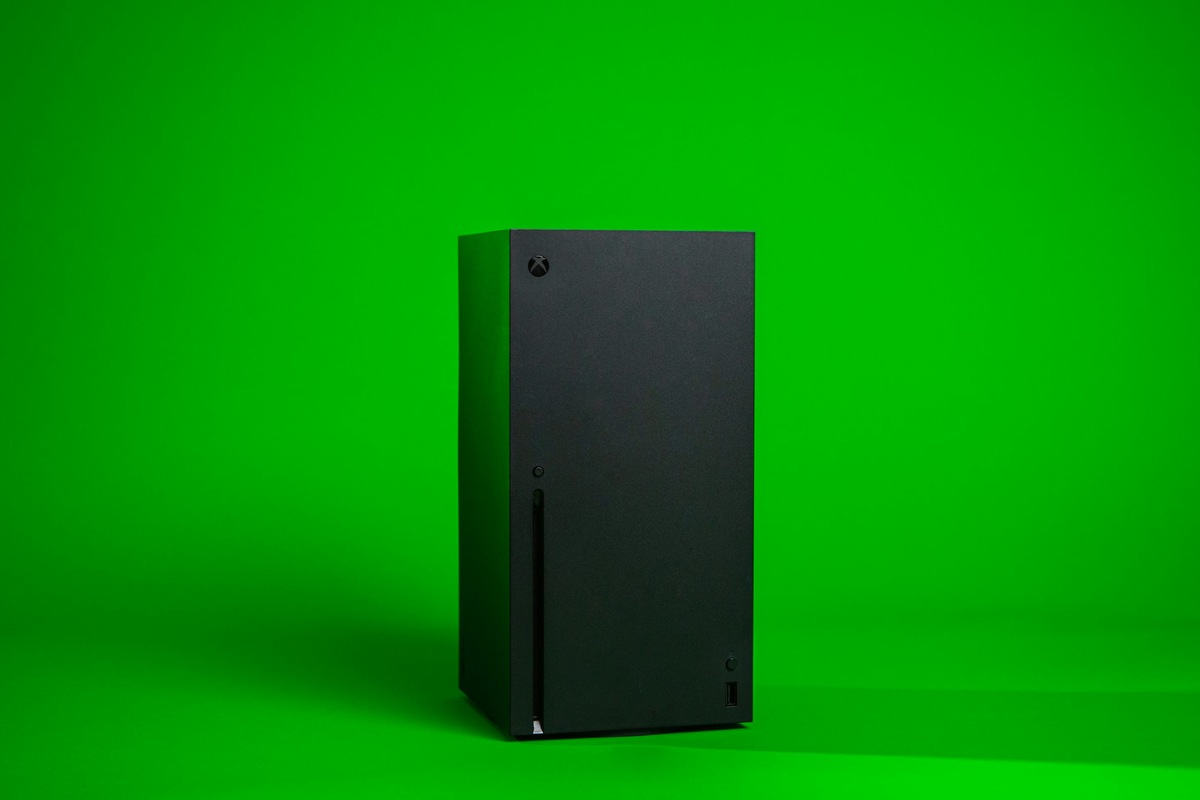
Fortune reports a $1,200–$1,800 Xbox console projection before subsidies, targeting holiday 2028, with a handheld planned for holiday 2027.
The figures describe internal planning, rather than an announced retail offer. Microsoft could absorb part of the hardware expense, so the final amount paid by customers would depend on its pricing decision as well as the finished product.
A Four-Figure Xbox Would Need a Clear Value Proposition
A console priced above $1,000 would ask buyers to make a substantial hardware purchase before adding games or any optional services. Its appeal would depend on what that spending delivers: performance, the supported library and the convenience of using the device.
It is too early to turn the reported range into a meaningful price-to-performance comparison with a gaming PC. That requires a final specification and results from finished hardware. An internal estimate also does not establish regional prices, taxes, storage configurations or the range of models that might reach shops.
We previously covered Microsoft’s plan to invest more in Xbox consoles while pursuing a broader device family. The important question for buyers is how that family would divide between different budgets and uses, rather than assuming one premium machine represents every future Xbox option.
What Microsoft Has Confirmed About Project Helix
The next-generation console itself is confirmed. In his March GDC update, Xbox executive Jason Ronald said Project Helix is designed to run Xbox console and PC games. It uses a custom AMD system-on-chip and is being developed alongside the next generation of DirectX and AMD’s FSR graphics technology.
Microsoft’s stated development milestone is to begin sending alpha hardware to developers in 2027. Those early systems are for building and preparing games; that milestone should not be mistaken for a consumer launch during the same year.
The wider hardware direction also predates this report. The company’s June 2025 AMD partnership covered a portfolio spanning consoles, handhelds, PCs, cloud hardware and accessories, with an ambition to make Xbox less dependent on one device or storefront.
Microsoft’s Windows team separately described Xbox mode as a full-screen, controller-focused interface for browsing a library, launching games and switching applications, while retaining access to the Windows desktop. That work helps explain the effort to bring console-style navigation to PC hardware without establishing the operating system of every future Xbox device.
For owners moving between screens, those software details can matter as much as the processor. A device needs a usable interface and clear access to the games someone owns; a promise to support console and PC games does not, on its own, identify every compatible title or store.
The PS6 Memory Claim Is a Different Kind of Estimate
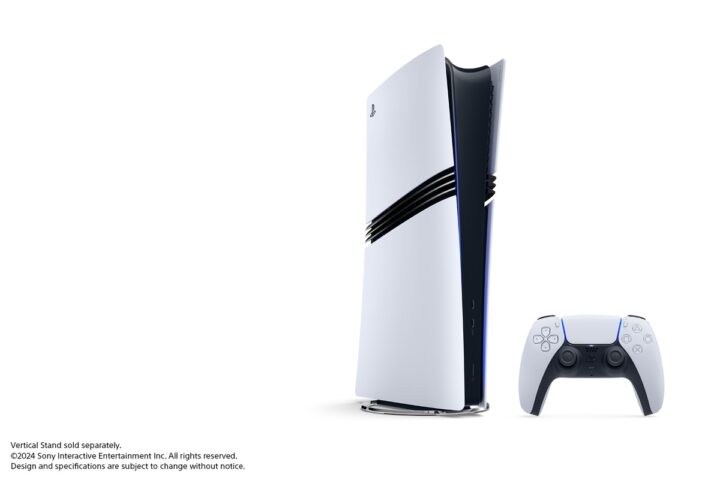
We recently reported on speculation about PS6 memory costs. That claim concerned RAM and NAND flash, rather than a verified total manufacturing bill or an announced Sony retail price.
RAM supplies working memory while games run, whereas NAND is the flash storage used in an SSD. Even an accurate estimate for those components would leave the processor, cooling, enclosure and other expenses outside the calculation.
It therefore cannot establish that Sony’s next console will match Xbox’s reported price range. Component estimates and projected consumer prices answer different questions, and both depend on assumptions that can change before production.
For now, the concrete foundation is Microsoft’s public Helix development program. Buyers still need a final product specification, supported-library details and an actual retail offer before they can judge the cost of upgrading.