
Key Notes
- Some mobile studios report waiting weeks for approvals, but the reported experiences do not establish a universal slowdown for every game.
- Apple says it has prioritized existing-app updates and reports a shorter average for minor changes than for submissions overall.
- AI-made apps are a suspected source of pressure, while the available reporting does not establish them as the cause of individual delays.
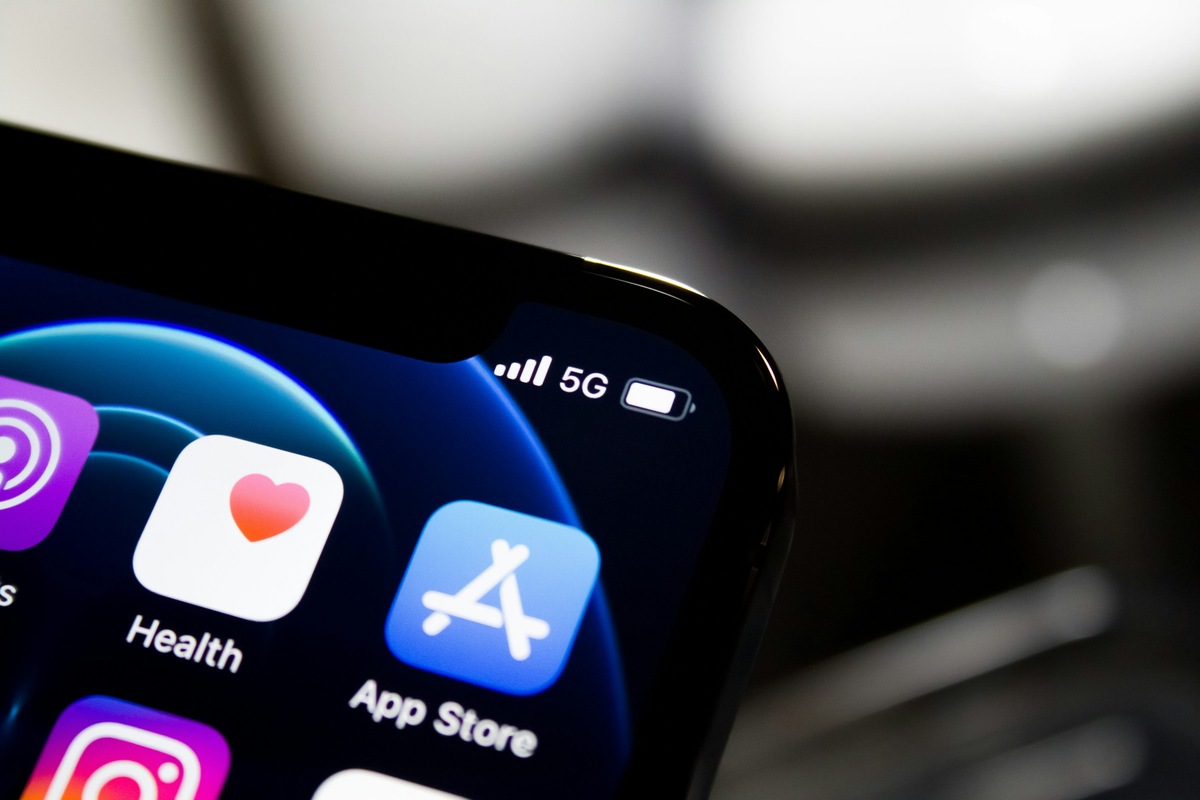
Some mobile game studios are waiting weeks for App Store approvals that they previously expected within 24–48 hours, according to an October 20 report by Mobilegamer. The delays affect new submissions and, for some teams, updates, complicating launch schedules.
Developers who spoke to the outlet remained anonymous. They described generic feedback, repeated rejections and review instructions or test accounts being overlooked.
Unpredictable Reviews Can Disrupt a Mobile Launch
The experiences were not uniform: one mid-sized studio said updates to its established, five-year-old game had not slowed. The complaints therefore do not establish that every game or submission now faces a multiweek wait.
For a small team, uncertainty can be as disruptive as the length of the queue. A game launch may depend on coordinated advertising, creator coverage and support staffing. An update may need to reach players before a scheduled event. Those plans become harder to execute when approval is difficult to predict.
Apple’s review guidance also makes clear that review extends beyond a new game executable. The process covers app updates, bundles, in-app purchases and in-app events. A finished build is one part of preparing a release; the surrounding information and submitted items can still require attention.
Apple Says Existing-App Updates Come First
In its response to Mobilegamer, Apple said it had prioritized existing-app updates, expanded automation and strengthened abuse detection. Over the preceding 12 weeks, it reported processing an average of 378,000 submissions per week, with an average review time of 1.5 days overall and 14 hours for minor updates. Some new apps receive additional scrutiny.
Those averages describe a different view of the process from an individual studio’s stalled release. A fast result for many small updates can coexist with a much longer wait for particular new games. Neither figure, on its own, measures how frequently game developers encounter the longest delays.
Apple’s public status guide states a goal of reviewing at least half of submissions within 24 hours and 90% within 48 hours. It also distinguishes minor changes and bug fixes from submissions that need more verification. Those targets are not a promised approval deadline for every release.
Independent tracker Runway separates time spent waiting for review from time spent in review. Its figures come from releases managed through Runway, rather than the entire App Store. That distinction is useful when comparing a studio’s total elapsed wait with a published average for only one stage.
The AI Explanation Remains Unproven
Mobilegamer points to AI-made apps and games as a possible source of submission pressure. Apple’s response does not confirm that they caused the studios’ reported delays.
More accessible creation tools can change who is able to submit software, but submission growth alone would not explain which games receive extra scrutiny or how long each queue takes. Establishing that connection would require a breakdown of submission types, review paths and waiting times.
We recently covered Google Play’s new discovery tools and its separate route for running private AI Studio creations. Those personal apps stay outside the public catalog, making that feature different from a system that automatically lists every new creation for other users to download.
For developers facing an urgent release problem, Apple allows expedited requests for circumstances such as critical bug fixes or an event-related launch. The app must already have been submitted for review, and faster handling depends on availability and demand. It is a request for consideration, not a guaranteed shortcut.
Apple’s help portal also provides routes to contact App Review, discuss a submission and appeal a decision. For a studio dealing with vague feedback, the practical next step is to distinguish a submission still waiting in the queue from one rejected on a specific guideline, then use the corresponding support route.