Key Notes
- Epic’s unannounced Disney shooter reportedly has no replacement date after losing its internal March target, with staffing and production-time estimates already proving insufficient.
- Bloomberg reports that the project’s developers are being directed toward AI-generated code and artwork, while Epic says people remain the creative leaders.
- Tim Sweeney confirms a wider AI development push intended to expand creative output and benefit Unreal Engine teams, without addressing the Disney game’s schedule.
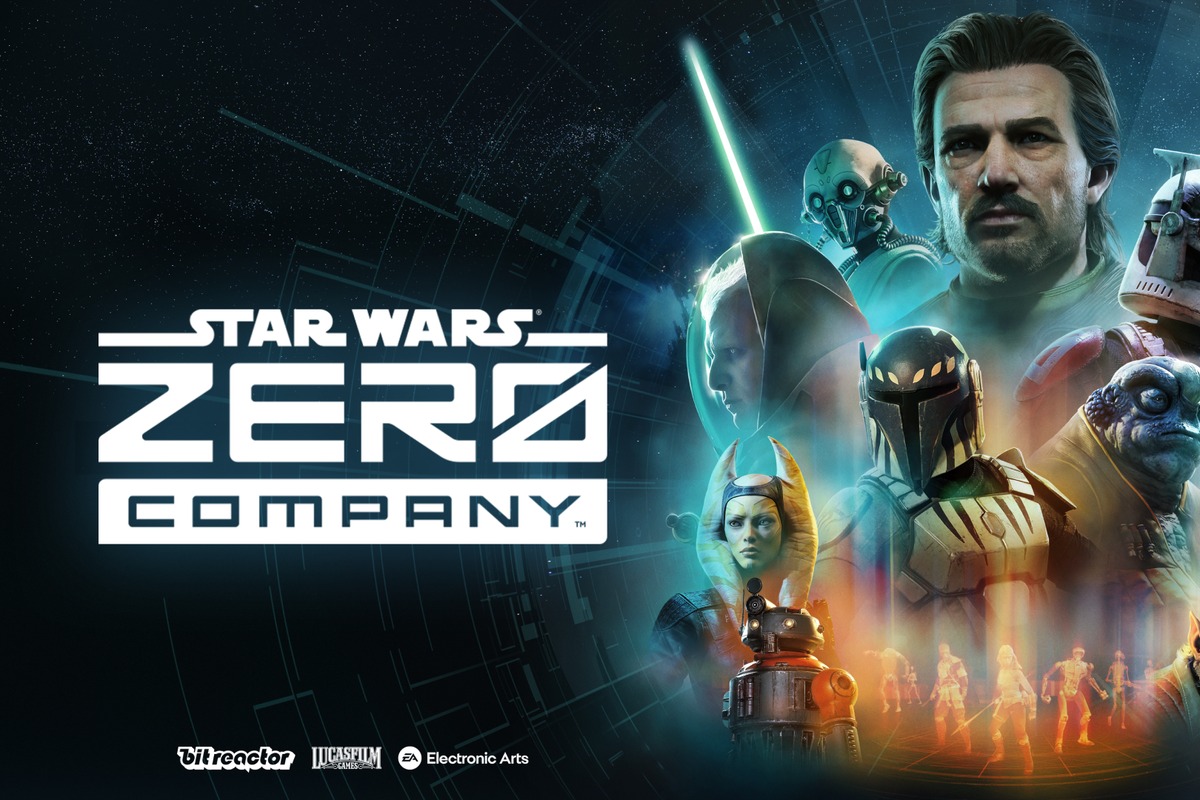
Epic Games’ unannounced Disney shooter has reportedly been delayed as its developers are directed to adopt an AI-first production model. The project features Marvel and Star Wars characters and has lost its internal March release target, with no replacement date communicated, according to Bloomberg.
Jason Schreier’s report says the game was already progressing more slowly than expected because Epic underestimated the staffing and time required. The production change is therefore a response to an existing development problem; the report does not establish that AI caused the delay.
Epic CEO Tim Sweeney has separately confirmed a broader reorganization around AI-assisted development. He says the aim is to expand what employees can create and extend the benefits to teams using Unreal Engine. His statement does not confirm the Disney game’s timetable.
A New Workflow for an Unannounced Shooter
According to Bloomberg, a director told the Disney team there should be “No more hand-written code” and that art would be “generated with full AI workflows.” Tools such as Anthropic’s Claude would produce work that human developers manage and guide.
Epic communications director Jake Jones told Bloomberg that developers remain the creative leaders of its AI-accelerated approach. The report concerns a specific project’s production instructions, while Sweeney’s public comments describe a wider change across the company. Neither establishes a blanket ban on manually written code throughout Unreal Engine development.
For players, the immediate consequence is uncertainty about when the game will arrive. An internal target reported by sources is different from a launch date announced to customers. The account does not supply a replacement window, and switching tools does not itself demonstrate that a delayed project is ready to ship.
Code generation also changes where engineering work happens. A developer supervising an implementation still has to decide whether it fits the game’s systems, performs reliably and survives testing. For a multiplayer shooter, producing a working feature is only part of delivering consistent behavior across players and machines. Those are production requirements, rather than evidence that Epic’s new process has already met them.
Disney’s Partnership Extends Beyond One Game
Disney and Epic announced their collaboration in February 2024 as an open, persistent games and entertainment universe connected to Fortnite. The companies described experiences drawing on Disney, Pixar, Marvel, Star Wars and Avatar, powered by Unreal Engine.
Disney also announced a $1.5 billion investment for an equity stake in Epic alongside the multiyear project. That amount is a corporate investment, rather than a disclosed budget for the shooter. Likewise, the broader entertainment universe should not be treated as interchangeable with the particular game described in Bloomberg’s reporting.
The public vision includes playing, watching, shopping and creating, with users able to make and share their own experiences. A change to one production schedule does not, by itself, establish that every part of that partnership has been postponed or redesigned.
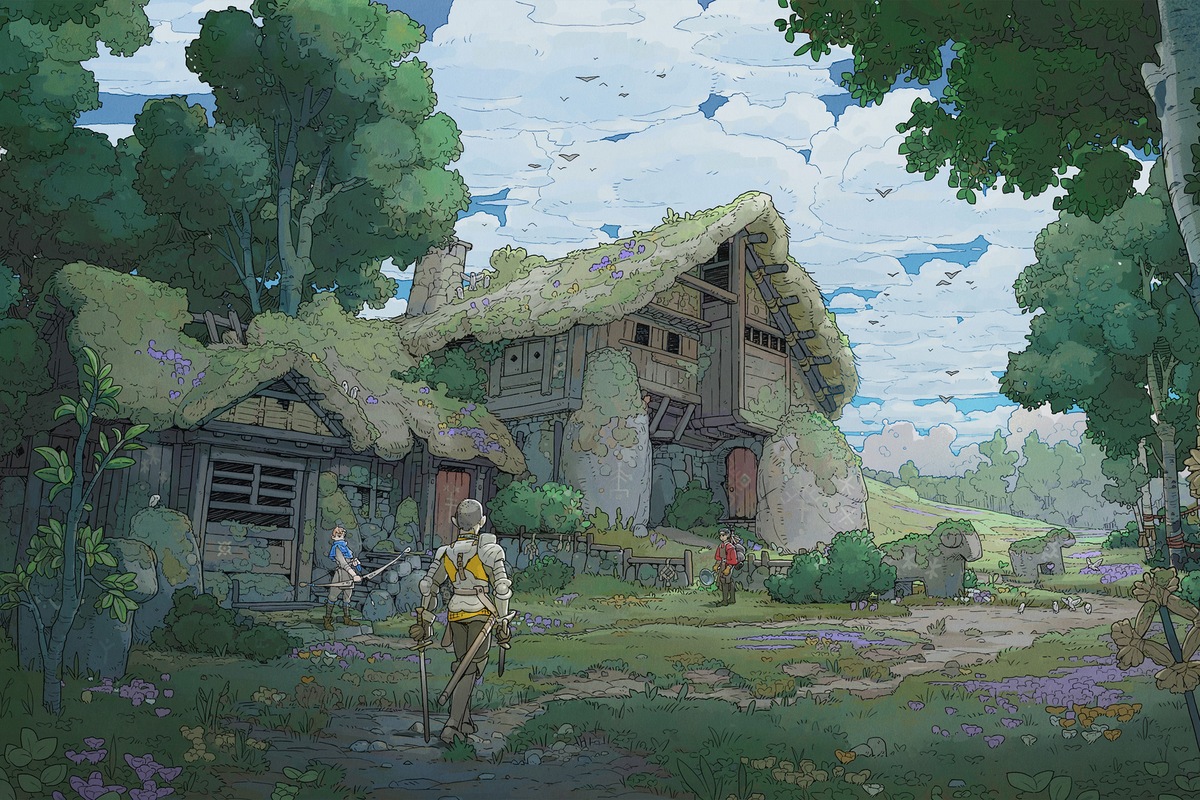
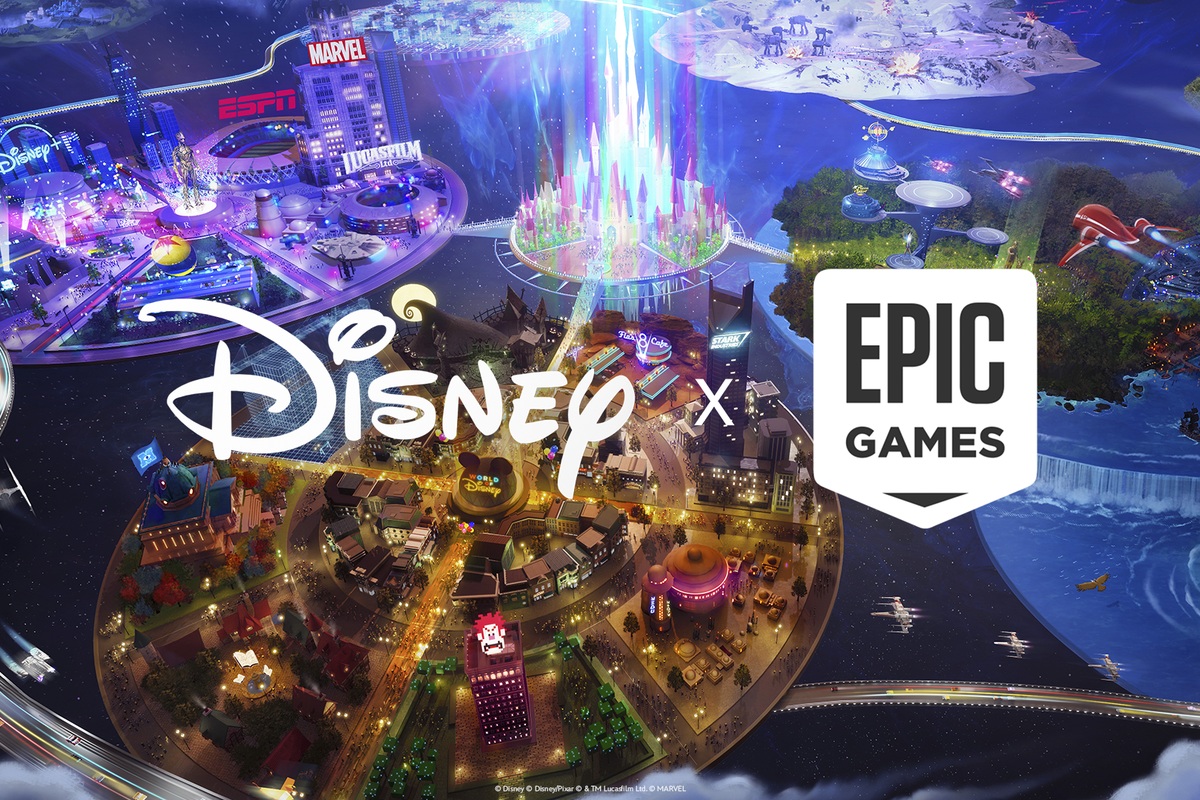
The artwork released with the original announcement illustrates that wider collaboration. It is concept material for the Disney and Epic universe, rather than a screenshot demonstrating the unannounced shooter or its reported AI-generated assets.
Sweeney Promises More Creative Output
Sweeney frames Epic’s reorganization around enabling employees to build more ambitious work, rather than doing the same work with fewer people. He also identifies Unreal Engine users as intended beneficiaries. That is a statement of direction, without a public breakdown of how much time the Disney team will save or which production milestones the new workflow must meet.
Epic’s move joins a wider set of experiments in game creation. We reported on Ubisoft’s Motherbrain initiative, which reportedly aims to share generative gameplay technology across its studios. The common thread is an attempt to turn AI tools into shared development infrastructure, although the projects have different goals.
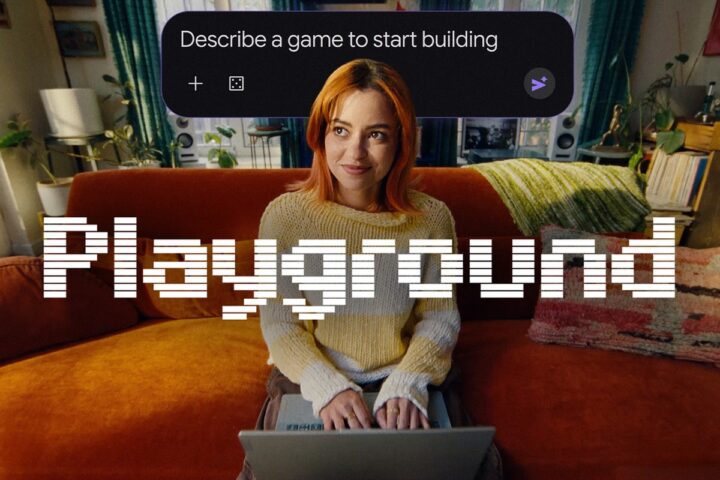
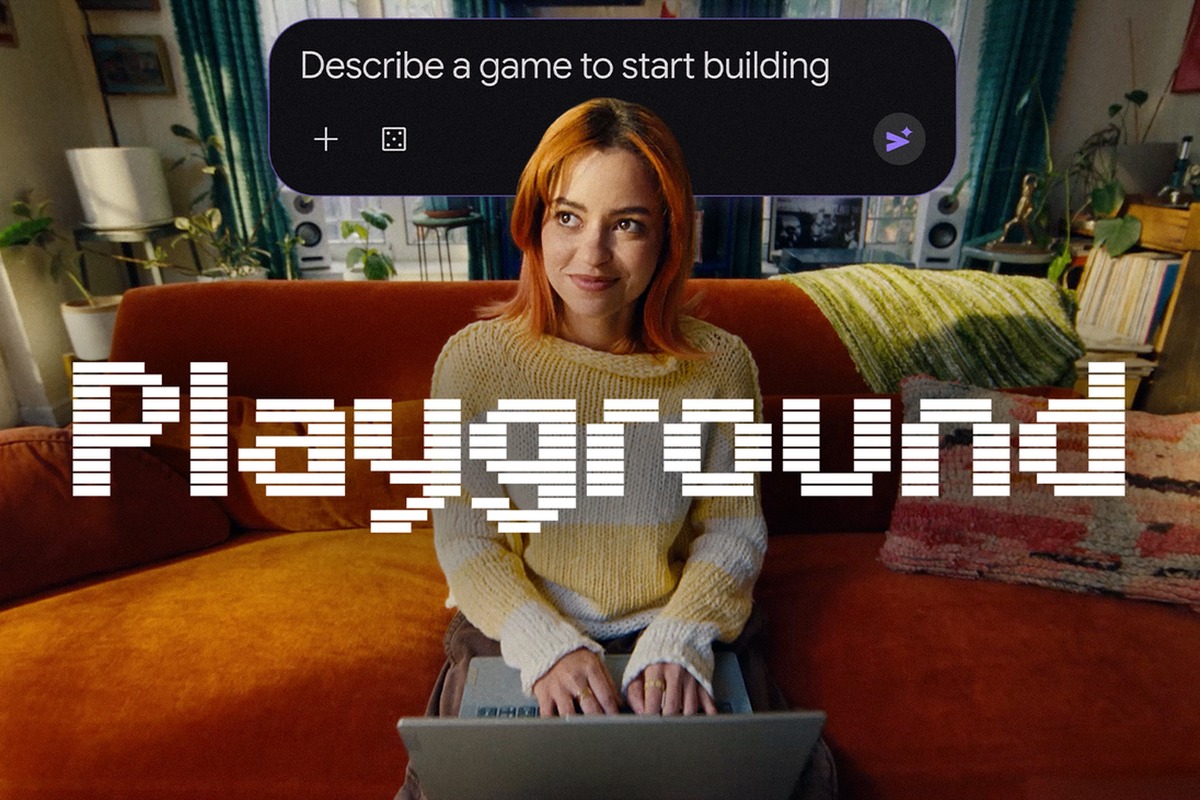
We also covered Google Playground and Unity Spark, which approach AI-assisted game creation through prompt-based tools. Making it easier to produce a playable idea is useful; maintaining a large licensed game introduces further demands around consistency, performance and testing.
For Epic’s Disney shooter, the next meaningful evidence will be a clearer production timetable and a public demonstration of the game itself. Sweeney has confirmed the strategic pivot. Whether it helps this particular project recover its schedule remains an open question.