Key Notes
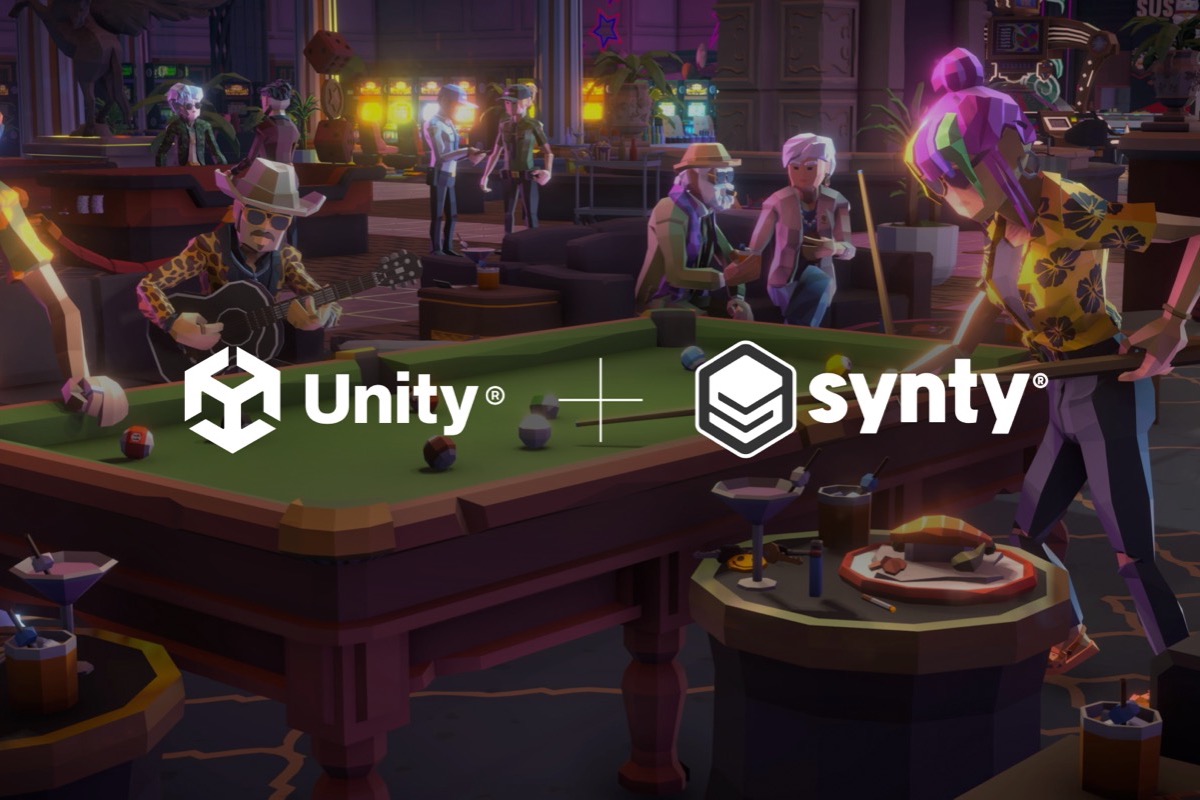
- Unity has acquired Synty Studios, bringing the POLYGON asset team into its game creation business.
- Existing purchases and storefronts continue, while buyers should still check individual packs for engine compatibility.
- Synty’s library is planned for Unity Spark’s closed beta before the end of 2026.
Unity has acquired Synty Studios, the New Zealand team behind the POLYGON range of stylized 3D art packs. Its existing library and future artwork will be integrated into Unity Spark, the company’s upcoming AI-assisted game creation platform.
The purchase price was not disclosed in Unity’s announcement. Synty will retain its brand, while its founders and most of the artists responsible for the packs join Unity full time and continue producing content.
Existing Purchases and Stores Continue
For developers already building with Synty’s characters, environments and props, Unity says purchased packs and licenses remain unaffected. The Synty Store, Synty Pass and Unity Asset Store catalog will continue operating, and free assets will remain free.
Unity says it has no plans to change pricing at this time. Direct Synty Store customers can continue using their existing accounts; a Unity ID is needed if they choose to buy through the Unity Asset Store.
The acquisition also preserves sales for other engines, including Unreal Engine and Godot. Unity says it will give customers advance notice of any future changes to engine support.
Godot Compatibility Needs a Closer Look
There is a practical distinction between being allowed to use an asset and getting an engine-specific package. Synty’s existing store FAQ says its official engine support covers Unity and Unreal Engine. Some assets can be used in Godot, but buyers should check each pack’s compatibility rather than assume every product has a ready-made Godot integration.
The storefront also matters when switching tools. Synty says it cannot supply files for another engine when the original purchase was made through a separate marketplace, such as the Unity Asset Store or Fab. It recommends its own store for customers who want the Unity and Unreal project files it supplies directly.
Those details make the continuity promise more useful than a blanket claim that every pack works everywhere. A developer moving an existing project still needs the right files and a compatible asset, even when their purchase remains valid.
An Artist-Made Library for Spark
Unity plans to introduce Synty’s library in Spark’s closed beta before the end of 2026. Spark is also designed to connect to the wider Unity Asset Store.
Its current product page presents a workflow built around prompting, refining and publishing games with artist-created assets. The page still advertises coming-soon access and a waitlist, alongside playable examples including the sci-fi shooter Space Corridor and projects called Horror Story, Emberwell and Robot Race.
We previously covered Spark’s planned connection with Google’s browser-based Playground. Adding Synty gives that creation effort an established art supplier as well as a catalog: Unity says the team will keep making and updating assets after the acquisition.