Key Notes
- Optima Arch has announced 200,000 Slotbound sales, while its developer reports more than $1.3 million in first-week gross revenue.
- The solo debut took about a year, with AI writing most code and the developer directing features and testing builds.
- Slotbound is available for Windows and macOS on Steam with a free demo and a $9.99 US list price.
Slotbound has passed 200,000 copies sold, and its solo developer says the game generated $1,332,409 in gross revenue in its first week. The hit combines a slot machine with an army-building roguelite, and most of its code was written with AI.
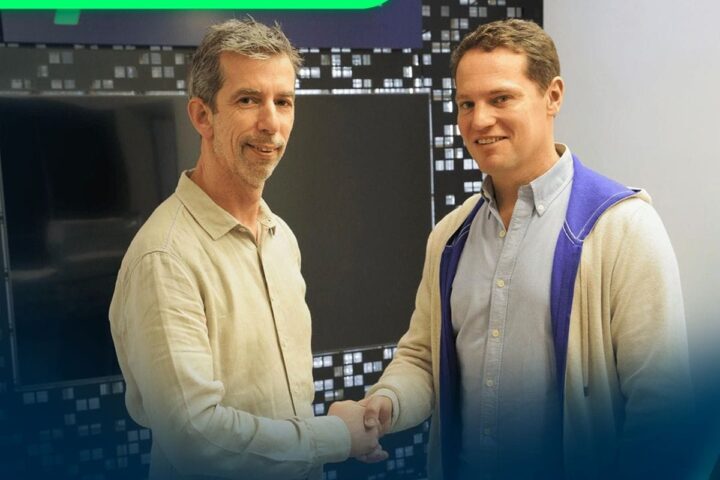
Min Kim, the 28-year-old developer behind Optima Arch, shared the figures in an Inven Global interview. This was his first game, following about a year of development. The dollar figure is reported gross revenue, rather than profit or the amount he took home.
Optima Arch separately announced the 200,000-copy milestone on Steam on November 19. That confirms the developer has publicly reported the sales total; the financial figure comes from his interview.
A Slot Machine That Builds Your Army
The premise gives every spin a job beyond producing a bigger number. A slot machine with three rows and three columns summons units to fight waves of enemies, with matching symbols determining what joins the battlefield. A jackpot covering all nine slots guarantees a powerful Prism unit, with Jokers counting toward the match.
From there, the strategy moves into managing the army. Weaker units can be absorbed into stronger ones, while promotions offer branching class choices. Units also receive randomized stats, and their Imprints interact with Items and Cores to shape a build.
That creates two connected decisions: what to do with the units a spin delivers, and how to assemble combinations that can survive the next wave. The slot machine supplies uncertainty; absorption and upgrades give players something to do with an imperfect result.
Slotbound is available on Steam for Windows and macOS, with a US list price of $9.99 and a free demo. The store lists a November 12 release, full controller support, Steam Cloud saves and achievements.
A Year Of Work Behind The AI Headline
Kim told Inven Global that he began without game-development experience, initially using Copilot before moving to Codex. The game uses the LÖVE framework and Lua. He said “virtually all of the code was written by AI,” while he directed features, played builds and checked the results.
The workflow still produced familiar development problems. Fixes could break other features, and an agent saying a task was finished did not guarantee it worked. Kim built testing tools and documented rules to catch recurring mistakes. He also used purchased assets and received music from a volunteer.
The game’s Steam disclosure identifies AI-assisted visual assets and promotional materials, which the developer says were reviewed and refined. Buyers can read that disclosure before downloading the demo or paying for the full game.
The Launch Work Continues
The official November 22 update shows the practical work following that commercial breakthrough. It reduces brief stutters during battles and shop purchases, fixes leaderboard problems in China and some other regions, and addresses keyboard shortcuts failing with Korean, Chinese or Japanese input enabled.
There are changes to protecting progress, too. Starting a new run on a battlefield with an existing save now requires confirmation. A new Give Up button ends a run and pays out the Originite earned so far, although using it during combat counts as losing that wave.
Those details put the sales headline in perspective: the developer’s responsibilities continue after the code runs. As we recently reported, tinyBuild’s Alex Nichiporchik argues that a game’s feel matters more than the ease of copying its surface. Slotbound’s patch notes offer a concrete reminder of how much of that work lives in small interactions.