
Key Notes
- Alex Nichiporchik argues that strong game feel and a satisfying gameplay loop are harder to imitate than an obvious premise.
- tinyBuild revealed Probably Stolen less than three months before launch after delaying its announcement for further testing.
- The game has sold over one million copies, but that result does not prove a short campaign prevented copying.
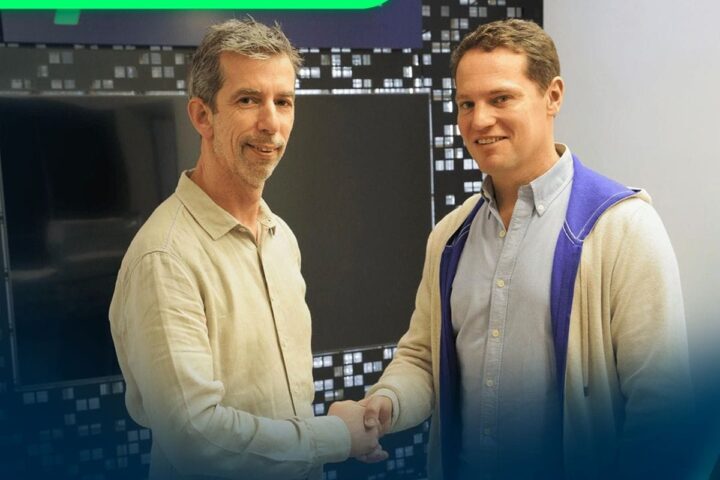
tinyBuild CEO Alex Nichiporchik has a surprisingly relaxed answer to developers worried about AI copycats: make the original feel better to play. He argues that a convincing imitation needs more than a recognisable premise, and that the responsiveness and rhythm of a good game are much harder to reproduce.
Speaking to GamesIndustry.biz at DevGAMM Lisbon, Nichiporchik said developers should concentrate on satisfying game loops and what he calls game feel. His claim that “game feel is impossible to copy” is a design argument, rather than evidence that AI tools cannot reproduce particular mechanics.
There is a more practical precaution in his pitch, too. tinyBuild has been shortening the gap between announcing a game and putting it on sale, giving potential imitators less time to get there first.
A Shorter Runway for Copycats
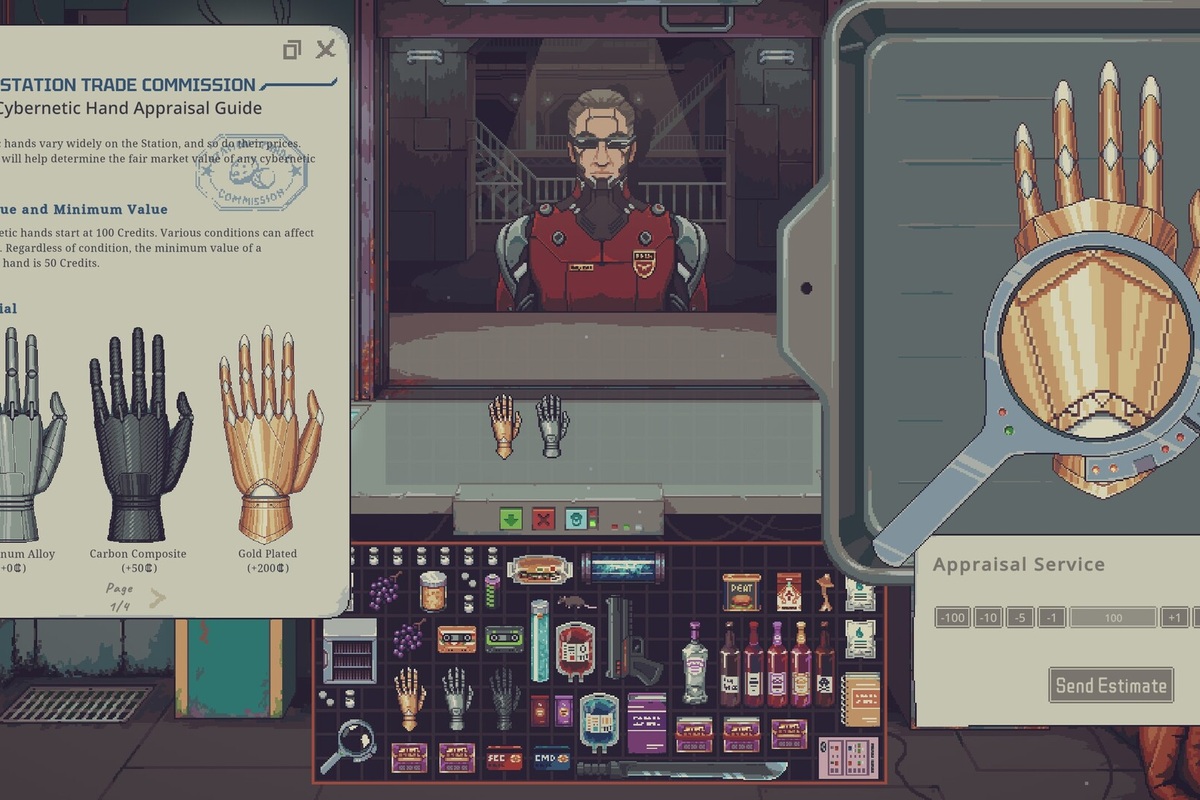
Probably Stolen is the example behind that strategy. Questing Goose Studio’s cyberpunk shopkeeping simulator was revealed on August 3 and released on October 28, leaving less than three months between its public announcement and launch.
That compressed schedule followed additional testing. Nichiporchik told the outlet that tinyBuild had been ready to announce the game around May, but held back after internal results exposed weaknesses. The team kept working until the response improved. A later reveal therefore meant more development before the announcement, rather than simply rushing the game out.
The publisher’s confidence also rested on how well the revised game landed with testers. Nichiporchik argues that a short campaign can keep a promising release fresh in players’ minds, instead of leaving it forgotten on a wishlist.
Probably Stolen has sold more than one million copies, a milestone tinyBuild had already disclosed when it raised its annual forecast. We reported on that trading update earlier this month. Those sales establish a successful launch; they do not isolate how much the shorter marketing window contributed or prove that it prevented cloning.
The Part a Trailer Cannot Capture
Game feel describes the experience of interacting with a game: how controls respond, how actions receive feedback and how its pace rewards a player’s decisions. Two games can share an obvious idea while producing noticeably different experiences in the hands.
For Nichiporchik, the recurring loop matters alongside that immediate response. Probably Stolen’s Steam listing describes trading, crafting and smuggling on a dystopian space station, with rent and faction loyalties adding pressure. In the interview, he also points to the unexpected depth of systems such as breeding and selling fish.
His reassurance has limits even within his own account. Nichiporchik says tinyBuild recently had an unauthorised Android version of the original Graveyard Keeper taken down after its code was reverse-engineered. That is his description of the incident; it does not establish that every similar-looking game was made with AI.
The tension is useful: tinyBuild is taking copying seriously enough to shorten its reveal windows while asking developers to spend their energy on the qualities that make players stay. For studios weighing a public demo or an early announcement, Probably Stolen offers one successful example of waiting until a game is ready to make its pitch.