Key Notes
- Riot Games has acquired Mudstack and is bringing its team and technology into its internal content-creation pipeline.
- Mudstack’s September shutdown notice set September 28 as the final day for customers to access and export their files.
- The acquisition announcement does not explain the shutdown’s connection to the deal or promise that the public service will reopen.
Riot Games has announced its acquisition of Mudstack, whose software helps game artists organise their work, two months after the company told customers it was shutting down. Its team is joining Riot to improve the developer’s internal production tools. The announcement does not promise a return for the public service.
The deal, reported by Vertical Slice, has no disclosed purchase price. It gives Mudstack’s team a new home inside the League of Legends and Valorant developer, while leaving unanswered how the acquisition relates to the earlier decision to close the service.
The Team Moves to Riot
In its LinkedIn announcement, Riot describes Mudstack as a platform built around game artists’ needs. The stated aim is to make work easier to find, manage and share, connecting different parts of the production process and reducing repetitive tasks.
Asset management is the largely invisible work of keeping a game’s creative files organised and accessible to the people who need them. Riot’s pitch is that improving those tools gives artists more time to make things, rather than manage the process around them.
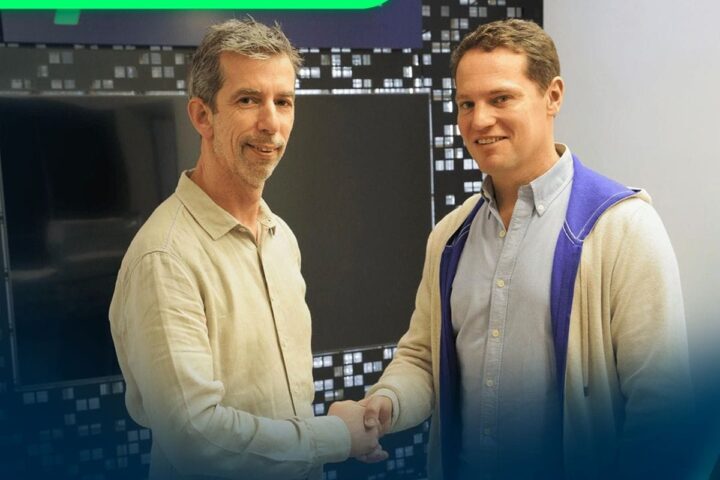
Founder and CEO Jordan Stevens is among those joining Riot. Vertical Slice reports that he is becoming tools and pipeline technical art director. In Riot’s announcement, Stevens says his goal was to build tools suited to how artists work, and that Riot shared that ambition from their first conversations.
Laura DeYoung, Riot’s senior vice president of Central Creative and creative director for League of Legends, links that work to the finished games: smoother collaboration and more time for creative exploration should, in her view, benefit the worlds players eventually experience.
The Shutdown Notice Still Raises Questions
Mudstack’s September notice, signed by Stevens, said customer and user agreements ended on September 14, 2026. Workspaces would remain readable until September 28, when access would end and the public API would be disabled.
Customers were told to download their work before that deadline. The notice said files already synced would remain on users’ own machines, while hosted customer data would be permanently destroyed within 90 days of the shutdown. It also said that customer data was not being sold or transferred to a third party.
Those were the terms communicated to customers. Riot’s acquisition announcement does not discuss former customer files, announce restored access or say whether the purchase was agreed before Mudstack issued the closure notice.
Neither company has explained whether the acquisition was agreed before the closure notice or whether Riot approached Mudstack afterward. The technology has a stated future inside Riot; the chronology of the deal and the decision to stop serving outside studios remain unexplained.
Other recent tools acquisitions have come with more explicit customer commitments. We reported on Unity’s purchase of Synty Studios, where Unity spelled out plans to keep existing stores and purchases operating. Riot’s Mudstack statement offers no comparable public-service continuity promise.