
Key Notes
- Gavin Goslin says he can no longer recommend a game development career after 21 years helping build Call of Duty.
- His warning concerns job security and the personal cost of layoffs, while he still values the creative work.
- GDC found that 54% of laid-off survey respondents remained unemployed, with its organizers warning that the sample is weighted toward people affected by cuts.
After 21 years helping make Call of Duty, Gavin Goslin has advice he never expected to give aspiring developers: reconsider the career. The former Treyarch level designer says repeated layoffs have made the profession too insecure to recommend to someone building a future.
“I can no longer recommend a career in game development,” Goslin wrote in a November 23 LinkedIn post. He says his outlook changed after he was forced to leave Treyarch in July, alongside watching job losses elsewhere in the industry.
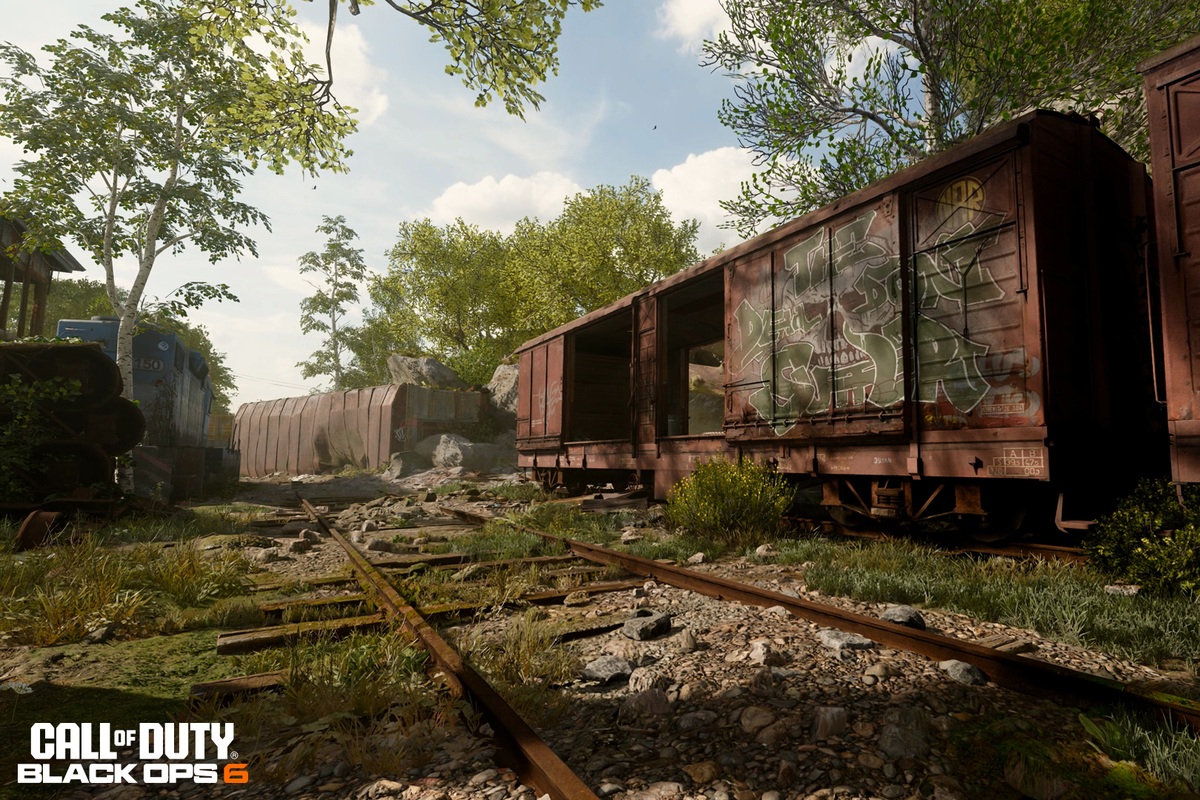
As VGC reports, Goslin joined the studio in 2005 and contributed to 13 Call of Duty games. His level-design work spanned single-player, multiplayer and Zombies: a career spent building the spaces players fight through.
The Risk Behind the Dream Job
Goslin still describes the work as rewarding and takes pride in what his colleagues created. His objection concerns the life built around it: years of training, a move for a studio job, a mortgage or a family, followed by unemployment even when the games succeed.
That tension also appears in GDC’s labor findings. While 86% of respondents said working in games gave them more fulfillment than another industry would, 65% said their job had harmed their mental health in the previous year. Creative satisfaction and a sustainable working life are separate measures.
A Difficult Search for the Next Job
The November GDC survey that Goslin cites gives that concern a broader context. Its public findings show that 34% of respondents had experienced a layoff during the previous two years. Among those affected, 54% were still unemployed.
Finding another role can demand a prolonged search. GDC says 27% of laid-off respondents had submitted at least 100 applications. Those figures describe the people surveyed; they do not mean that a third of everyone employed in games lost their job.
The organizers identify an important limitation themselves: participation appears higher among people most affected by layoffs, producing a steeper increase than other employment models. That makes the survey useful evidence about displaced workers’ experiences, rather than a census of the entire industry.
Experience Offers No Simple Escape Route
The recent job losses span established studios and independent teams. We reported that Crystal Dynamics cut eight employees in at least its fifth round of layoffs in less than two years, while saying its ongoing projects were unaffected.
Starting a new studio carries its own exposure to funding decisions. As we reported this week, Gravity Well, founded by former Apex Legends leaders, entered hibernation before releasing its first game. Most of its workforce had already been laid off in October after replacement financing failed to materialize.
Goslin wants employers to offer meaningful livelihood protections, preferably in writing, before he encourages a newcomer to take those risks. He stops short of demanding lifetime employment. His appeal puts responsibility on company leaders to explain how they will make a development career dependable enough to recommend again.