Key Notes
- Ritchie Torres plans the Power To The Players Act to protect ownership, transfer and resale of purchased games through rules written by the FTC.
- The announced proposal would require an offline mode before a game’s supporting servers shut down, with NBA 2K25 cited as an example of lost access.
- The announcement is not a change in current law and does not include full legislative text, leaving coverage and implementation details unresolved.
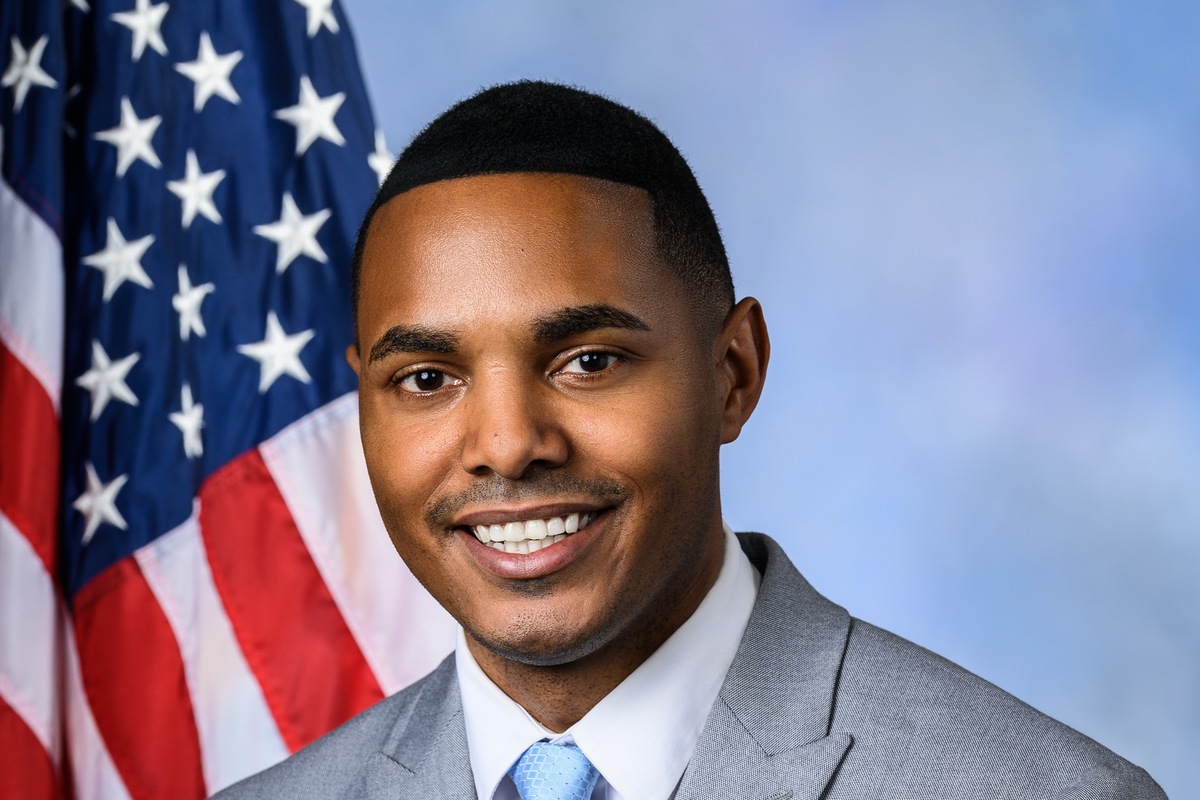
Representative Ritchie Torres has announced plans for the Power To The Players Act, a federal proposal intended to give buyers ownership of purchased video games rather than only a revocable license. The New York congressman also wants transfer and resale rights, plus an offline mode before a game’s supporting servers shut down.
Torres announced the initiative on October 15. His statement says he will introduce legislation directing the Federal Trade Commission to establish the protections. It is an announced proposal, rather than a law already granting players new rights.
Ownership, Transfer and Continued Play
“When you pay for a game, you should own it,” Torres said. His argument is that consumers should be able to keep using something they bought after a publisher decides to move on, instead of remaining entirely dependent on that company’s continued support.
The announced outline has three practical goals. Purchases would give consumers ownership rather than simply permission to play. Buyers would be able to transfer or resell their games. Games with online functionality would need to provide an offline mode before the servers supporting them are switched off.
For players, those aims address different problems. Ownership concerns the durability of access to a purchase. Transfer concerns whether that purchase can be passed to another person. An offline mode concerns whether the software can still function when the publisher no longer operates its online infrastructure.
The announcement does not set out how a digital resale system would work, including how access would move between accounts. It also does not specify which existing games would be covered or what publishers would have to retain in an offline version. Those details matter before the proposal can be assessed as an enforceable set of requirements.
NBA 2K25 Shows What Can Disappear
Torres cites NBA 2K25 as an example of the gap between buying a game and retaining access to its features. His release points to the game’s upcoming delisting and server shutdown roughly two years after release.
We previously reported on the NBA 2K25 shutdown and its consequences for MyCAREER. According to 2K’s support notice, the game will no longer be available to purchase from October 30, 2026. Its online services are being discontinued at the end of December, with online modes unavailable from January 1, 2027.
That includes MyCAREER and MyTEAM, along with multiplayer and the ability to earn Virtual Currency. The loss therefore extends beyond playing competitive matches against another person: a mode associated with a player’s career also depends on the servers.
The shutdown will not make every part of NBA 2K25 unplayable. 2K says existing owners will still be able to redownload the game and use supported offline modes, including Play Now, MyNBA, The W and MyWNBA. Features within those modes that require a server connection will stop working.
Delisting and shutting down servers are consequently different events. One ends new sales; the other removes connected functionality. Torres’s proposal focuses on the ability to keep playing after support ends, while its transfer provisions would address a separate limitation on what buyers can do with their purchases.
A Legislative Outline With Details Still to Come
Torres’s announcement does not include a bill number or full legislative text. It describes an intention to introduce the measure and have the FTC write regulations, leaving the final scope, implementation timetable and enforcement provisions to be established.
The legislative process would still have to run its course before the proposal could create binding federal requirements. Announcing a bill does not itself compel publishers to add offline modes or require storefronts to enable secondhand digital sales.
The preservation issue also extends beyond whether a game comes in a box. We recently covered Nintendo’s continued commitment to physical releases. A physical edition and a game’s reliance on online services are separate questions: the relevant test for continued play is which functions remain usable after support ends.
For now, Torres has put ownership, transfer and offline access into a specific federal policy proposal. The next development to watch is the legislative text, which would show how those principles are meant to apply to the very different ways modern games are built and sold.