Key Notes
- Sony will end disc production for new PlayStation releases in January 2028, while its announcement leaves earlier disc releases unaffected.
- Shawn Layden warns that physical collectors can be especially loyal customers, although his suggested 80% digital split is an illustration rather than official Sony data.
- The former executive questions the appeal of buying game access and its effect on trust, while acknowledging he does not know Sony’s financial reasoning.
Shawn Layden has criticized Sony’s decision to stop producing discs for new PlayStation games from January 2028, arguing that the change could damage the brand’s relationship with some of its most committed customers. The former executive sees a cost to abandoning collectors even when digital downloads are convenient for the majority.
Speaking with Luke Lohr on The Expansion Pass, Layden also questioned what players are buying when a game becomes an asset they can access but cannot sell on. VGC reported his comments on October 6. Layden left Sony in 2019, having chaired its worldwide studios group, and says he has no visibility into the financial calculations behind the decision.
Sony’s Disc Cutoff Applies to New Releases
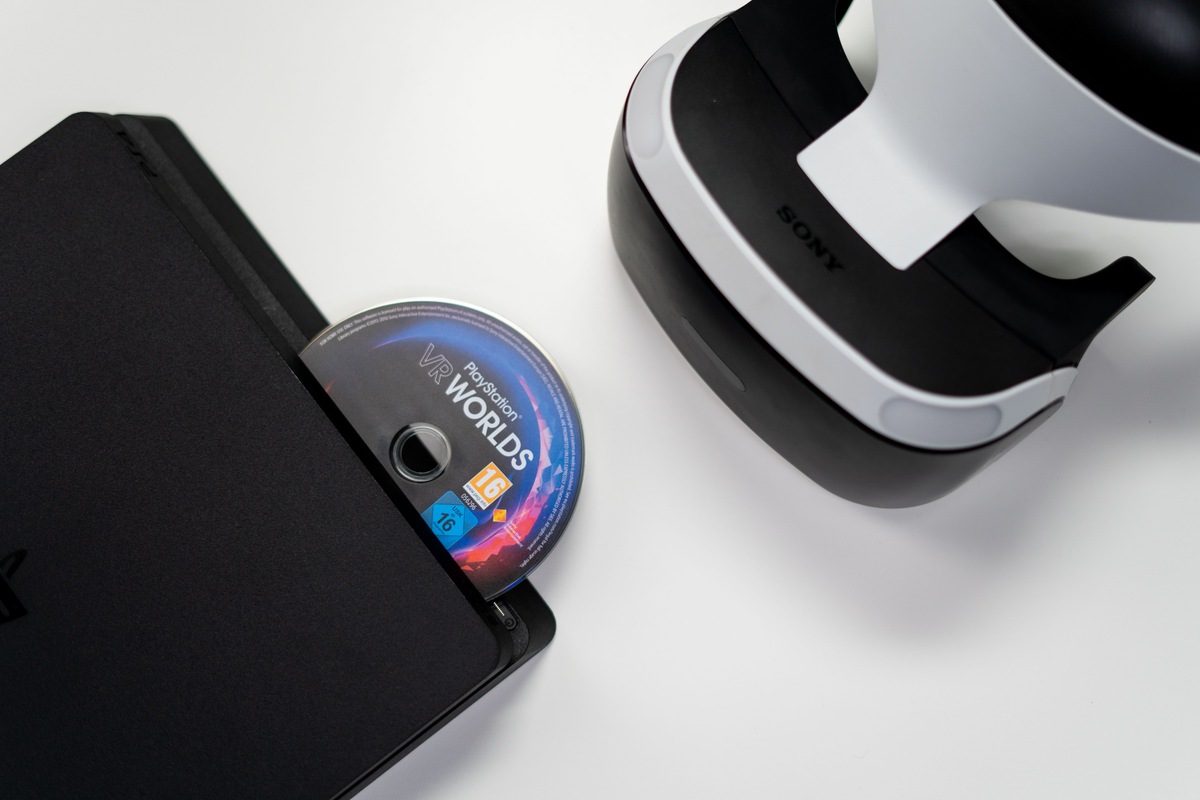
The policy itself was announced on July 1. Sony said physical disc production for all new games releasing on PlayStation consoles would end in January 2028. After that point, new titles would be available through PlayStation Store and retailers in digital formats.
Sony explicitly said the transition would not affect games already released, or scheduled to release before January 2028, in disc format. The announcement therefore concerns future releases; it does not say existing disc libraries will stop working on that date.
The company presented the shift as a response to how its customers prefer to obtain games. It also said players would retain a choice of where to purchase digital releases, including retailers. That preserves different sales channels, but does not preserve the disc format for those new games.
Collectors Are More Than a Market-Share Percentage
Layden accepts that downloads remove the effort of changing discs. He suggested an illustrative split of roughly 80% choosing digital and 20% choosing physical, while making clear that the exact breakdown could differ. Those figures are his estimate, rather than a newly disclosed Sony sales measurement.
His concern is who sits within the remaining group. He described dedicated fans who collect boxed games and may buy one copy to play while keeping another sealed. Removing discs changes the product those customers value, even if they are a minority of the audience.
That is a different question from whether digital distribution is popular. A platform can satisfy most purchases while disappointing customers who have built their relationship with it around a physical collection. For such players, the case, artwork and disc are part of the purchase experience.
Layden does not establish how many collectors would leave PlayStation or how much revenue Sony might lose. His warning concerns loyalty and reputation. Without the company’s internal figures, the interview cannot determine whether any savings outweigh those potential costs.
Game Access and Ownership Return to the Foreground
“If you can’t sell a thing, that means you don’t own a thing,” Layden said. He argued that selling access is less attractive than selling something a customer regards as theirs, and that uncertainty encourages players to imagine what might go wrong.
Sony’s current software terms describe a limited, personal license to use a game and distinguish that license from ownership of the software. That framework is not newly introduced by the 2028 announcement. It also applies to software offered in different formats, so a disc does not give its buyer ownership of the game’s intellectual property.
The same terms address the possible end of online services, with advance notice, and explain that offline modes are not guaranteed. These are relevant limits when assessing long-term access: retaining a physical object and retaining every feature of a game are separate questions.
The broader purchase decision already includes the price of entering a console ecosystem. We previously covered Microsoft’s worldwide Xbox hardware price increases. A customer weighing a platform also has to consider how they prefer to build and keep a game library, alongside the cost of the machine itself.
Sony has set out when its new-release policy changes and which earlier disc releases are unaffected. Layden’s criticism puts the remaining challenge on the relationship with players: making digital convenience convincing for people who also value a collection they can keep on a shelf.