Key Notes
- Norway has named Roblox among services its proposed age-limit law would cover, but the bill still needs to go before parliament and no new ban is in force.
- The planned cutoff is January 1 of the year a child turns 16, with providers responsible for privacy-compliant age verification.
- Roblox already offers age-based accounts and chat checks, but those company safeguards do not establish compliance with the proposed Norwegian restrictions.
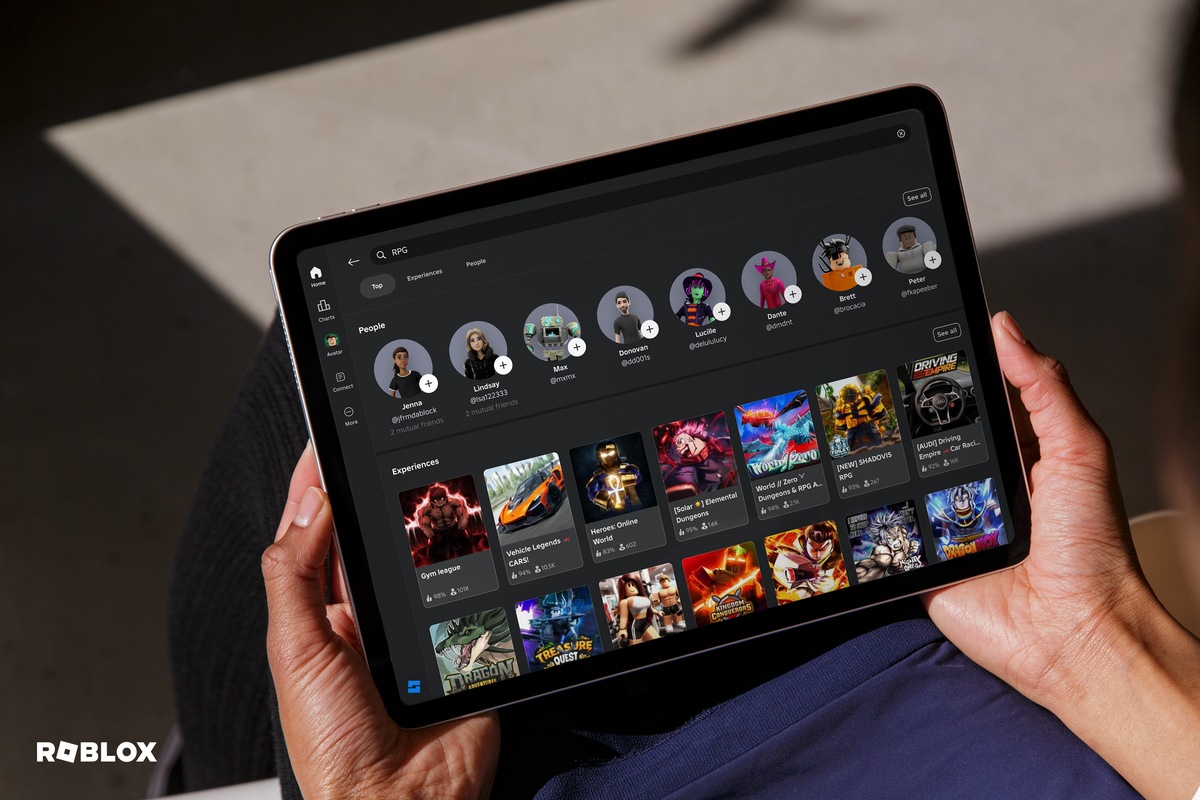
Norway plans to bring Roblox within its proposed social media age-limit law, widening the scope beyond conventional social networks. The government named the gaming platform alongside TikTok and Snapchat as services it believes would be covered in their current form.
The October 19 announcement is a policy update, rather than an order blocking Norwegian players. A bill is still due to be presented to parliament before the end of 2026, and the proposed restrictions are not currently in force.
Gaming Platforms Would Lose a Broad Exemption
The government is removing general exemptions for games and messaging services while adding a test focused on potential harm to children. Relevant risks include harmful content, addictive features, unlawful marketing and unwanted contact from strangers.
That approach would allow a game platform with social features to fall within the law without automatically restricting every game or messaging app. The government says assessments should reflect evidence and technological change, giving companies an incentive to remove risky features.
For developers, the distinction is significant: the platform hosting a game could face access restrictions even where an individual experience is suitable for a younger audience. Content design and the surrounding systems for discovery, communication and monetization would become separate considerations.
The Cutoff Would Follow Birth Year
The proposal is often described as an under-16 ban, but the planned cutoff is more specific. Children would gain access on January 1 of the year they turn 16, meaning many would still be 15 when they become eligible.
Norway explained that choice in its April announcement: using a calendar year would let an entire school cohort gain access together, rather than separating classmates according to their birthdays.
The government intends providers to verify users’ ages. Its latest statement says verification must respect privacy and comply with GDPR. It has not prescribed one universal technical method in this announcement, so a mandatory upload of identity documents should not be treated as an established requirement.
The remaining legislative process matters for families and creators. The final scope, implementation arrangements and enforcement will determine what changes in practice; naming Roblox now does not establish an immediate shutdown date or explain how existing accounts would be handled.
Roblox Already Has Age-Based Accounts
Roblox’s own safety system already separates younger users by age. The company launched Roblox Kids and Roblox Select accounts globally in June, with additional reviews for games available to users younger than 16.
Its published account categories place age-checked children aged five to eight in Roblox Kids and those aged nine to 15 in Roblox Select. Chat is off by default for the youngest group, while access expands gradually for older children. Roblox notes that ages, games and features can vary by region.
Users must complete an age check to access chat. Parents with linked accounts can also adjust communication settings and allow or block specific games until their child turns 16. These are company safeguards, rather than confirmation that the service would meet Norway’s proposed legal requirements.
European scrutiny of gaming also extends to commercial practices. We previously covered coordinated action over in-game purchases involving publishers including Supercell and Ubisoft. Norway’s proposal raises a different question for the industry: which platforms younger players should be able to enter at all.