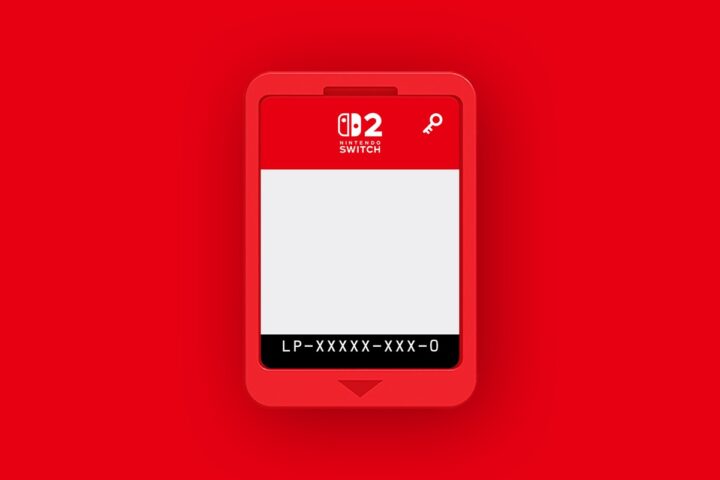
Nintendo Says It Has No Plans to Stop Selling Physical Games
Nintendo’s Latin America chief says fan demand keeps physical games in its plans, though Switch 2 game-key cards still require a download.
Esports turns competitive video games into organized spectator competition. Players or teams meet under defined rules in leagues, tournaments, qualifiers, and championship events, often with coaches, broadcasters, sponsors, prize money, and live audiences. Not every ranked match is automatically esports; the term usually implies a structured competitive ecosystem around a game. Unlike traditional sports, the publisher controls the underlying software and intellectual property, so balance patches, licensing, servers, and tournament permissions can reshape the competition. Professional scenes range from global franchised leagues to community-run events.
Nintendo’s Latin America chief says fan demand keeps physical games in its plans, though Switch 2 game-key cards still require a download.
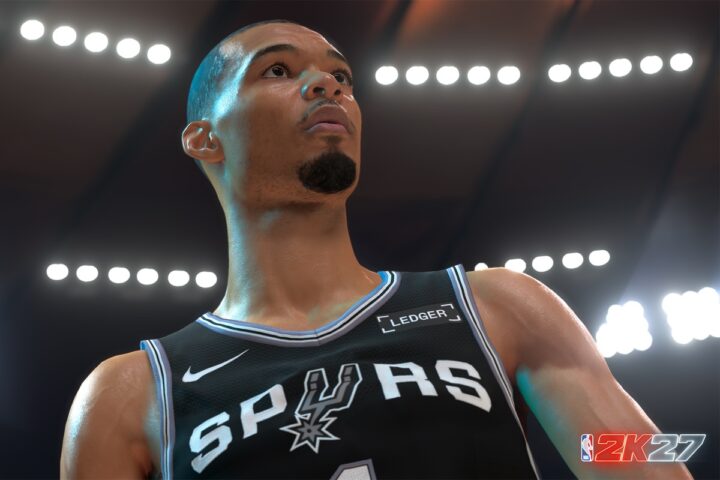
NBA 2K27 led six new entries in August’s U.S. sales top 10, but Circana estimates overall gaming spending fell 9% to $4.3 billion.
Bit Reactor has begun recalling developers after pre-launch furloughs. Game File reports active payroll is back above half its previous level, with more staff still waiting.
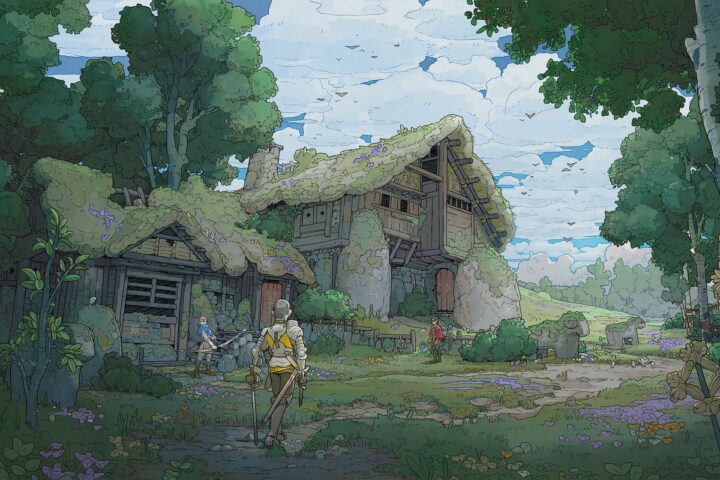
Gardens Interactive has secured more than $35 million for its debut social sandbox, where players can leave lasting consequences for strangers exploring the same fantasy world.
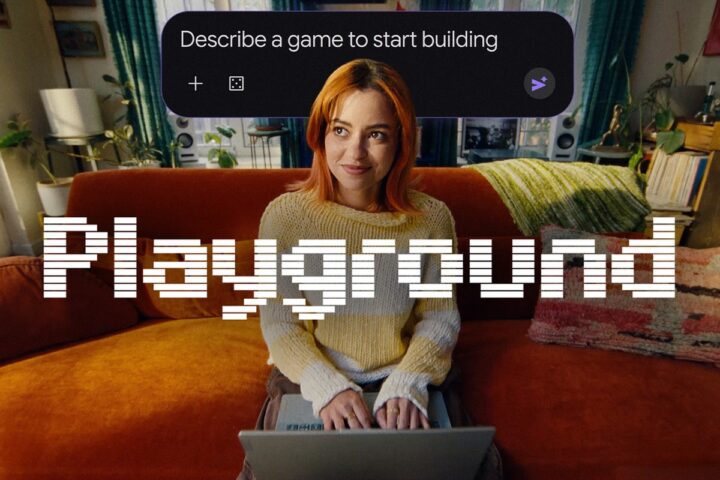
Google’s prompt-based Playground opens to U.S. adults, with browser sharing and community games. Unity Spark will add a more advanced creation route.

Former Activision Blizzard CEO Bobby Kotick joins Skydance’s board, while Tony Driscoll leads the combined Paramount and Warner Bros. games business.
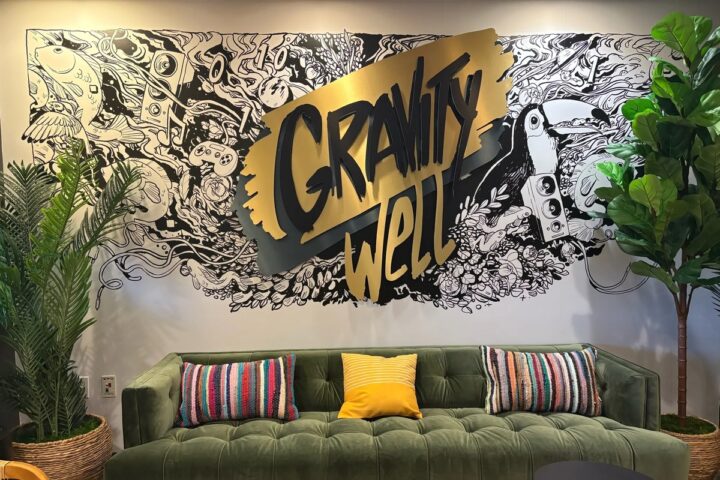
Gravity Well has cut most of its workforce after losing funding over the summer. The studio founded by Respawn veterans will continue with a much smaller team.
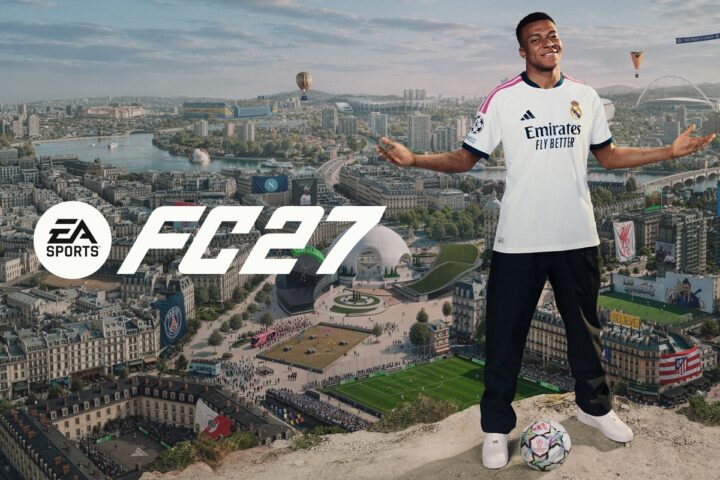
Alinea estimates FC 27 has sold 7.9 million copies and generated $714.1 million across PlayStation, Xbox and Steam, leading 2026’s premium releases.
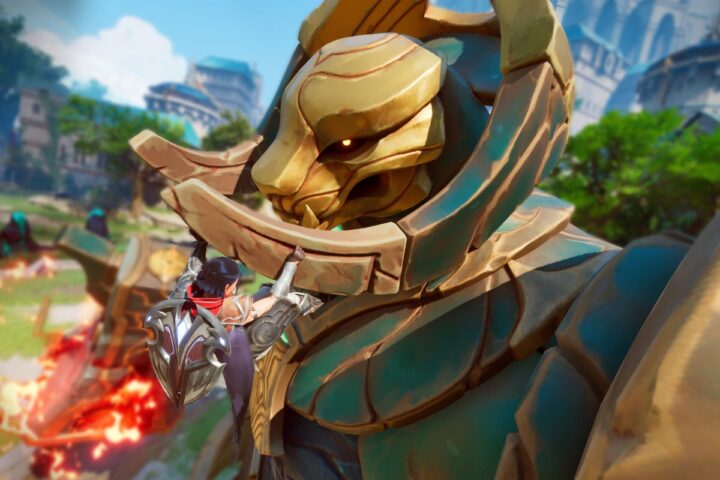
Employees at Mike Laidlaw’s Yellow Brick Games report layoffs across art, programming, QA and design, with the total and reasons still undisclosed.
Abragames wants Brazilian studios to gain global scale and cultural influence, with export support and original games central to its ambition.