Key Notes
- Ubisoft’s Creative House 2 now operates as Massive Entertainment, uniting relevant development teams in Montréal, Paris, Sweden, and Toronto under a shared identity.
- Christoph Hartmann leads the division’s portfolio of The Division, Ghost Recon, Splinter Cell, and March of Giants, following his appointment in July.
- Ubisoft remains the publisher and says existing player and partner commitments are unchanged, while the announcement provides no new game release dates.
Ubisoft has named Creative House 2 Massive Entertainment, extending the Swedish developer’s identity across the division responsible for The Division, Ghost Recon, Splinter Cell, and March of Giants. The change gives another of the publisher’s five creative houses a public name alongside Vantage Studios.
In its September 30 announcement, Ubisoft said the relevant development teams in Montréal, Paris, Sweden, and Toronto will work under the shared Massive brand. Christoph Hartmann, appointed to lead Creative House 2 in July, remains in charge as general manager.
Massive Becomes a Shared Identity
The name now represents a broader organization than the Swedish studio players associate with The Division. Ubisoft is applying an established development identity to teams across several locations, giving the house’s portfolio a common label while retaining its place within the Ubisoft group.
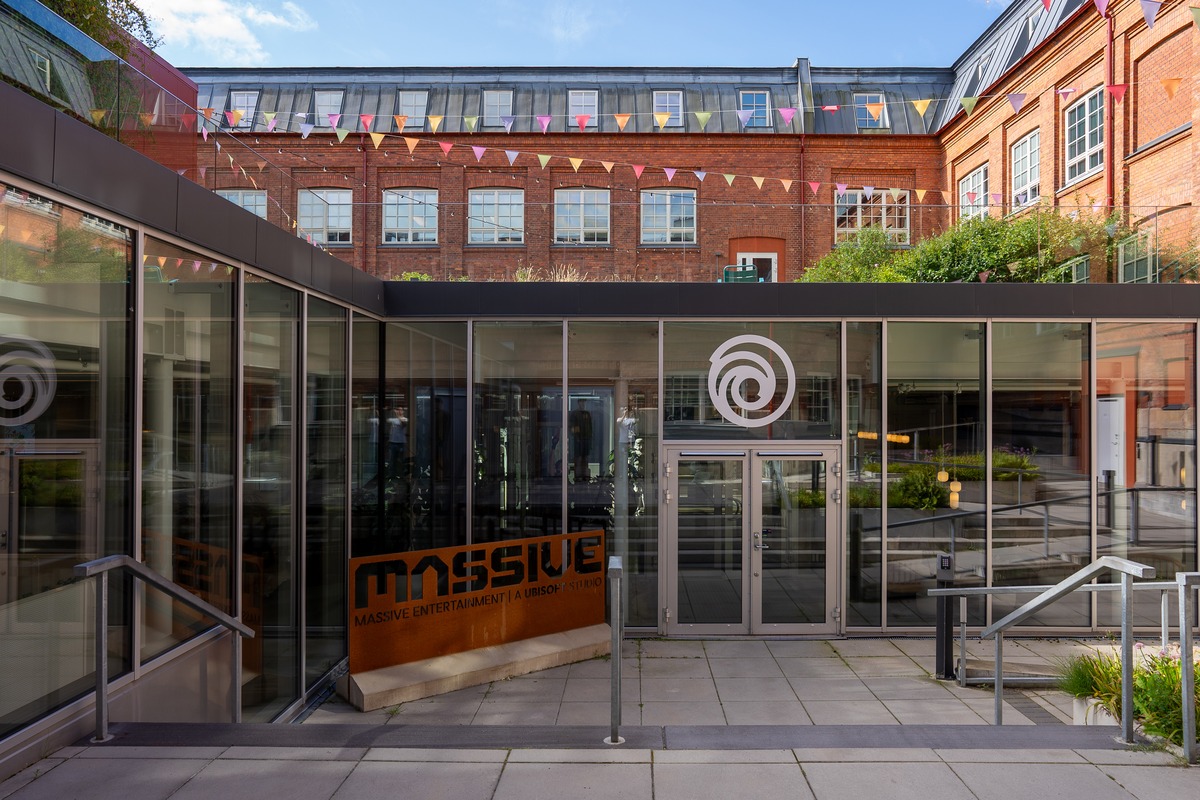
The original studio has a substantial history behind that identity. Founded in 1997, Massive joined Ubisoft in 2008 and went on to develop The Division, Avatar: Frontiers of Pandora, and Star Wars Outlaws. Its studio history also highlights Snowdrop, the engine used for several Ubisoft games, and its work on Ubisoft Connect.
Ubisoft’s announcement does not set out a separate renaming of the Swedish studio or a relocation of its teams. The confirmed change concerns the shared brand for Creative House 2, so references to Massive Entertainment can now describe either the established Swedish operation or the wider creative house, depending on the context.
Christoph Hartmann Leads the Portfolio
Hartmann’s leadership predates the new name. Ubisoft appointed him on July 1 to oversee the division’s strategy and long-term franchise development. His background includes co-founding 2K Games, serving as its president until 2017, and later overseeing Amazon’s gaming business.
The house combines established Tom Clancy franchises with a newer multiplayer property. March of Giants, which Ubisoft acquired in December 2025, is a free-to-play multiplayer online battle arena game. Its inclusion means Massive’s remit extends beyond maintaining recognizable series to developing an original brand alongside them.
Hartmann presented the shared identity as an opportunity to combine expertise across the participating teams and develop both existing franchises and new games. The September announcement does not provide release dates, platforms, or fresh gameplay details for individual projects; those remain matters for their respective game announcements.
How It Fits Ubisoft’s Five-House Structure
Ubisoft outlined its five-house operating model in January as part of a wider company reset. Each house groups franchises around particular player experiences and combines development with commercial responsibilities, including brand direction and financial performance.
Vantage Studios oversees Assassin’s Creed, Far Cry, and Rainbow Six. Creative House 2 was assigned competitive and cooperative shooter experiences, including The Division, Ghost Recon, and Splinter Cell. The common Tom Clancy branding therefore does not place Rainbow Six within the newly named Massive division.
For players following Ubisoft’s restructuring, the useful distinction is which organization steers each series. Our Black Flag report covered a franchise within Vantage’s portfolio; the Massive announcement identifies the separate house responsible for several of Ubisoft’s other major action properties.
Ubisoft remains the publisher and distributor of games developed under the Massive identity and says existing commitments to players and partners are unchanged. The naming announcement supplies no timetable for giving the remaining numbered houses their own public brands.