Summer Game Fest returned on June 5 with a broad cross-platform showcase built around new trailers, release windows, and publisher updates. The event’s official schedule confirmed a live Los Angeles broadcast, while PlayStation later highlighted a long list of games from the show heading to PS5.
The showcase continues to function as the replacement center of gravity for the post-E3 summer cycle. Rather than one platform owner controlling the message, Summer Game Fest aggregates publishers, developers, and platform partners into a single high-attention window. That makes it valuable for games that need global visibility but do not fit neatly inside a first-party broadcast.
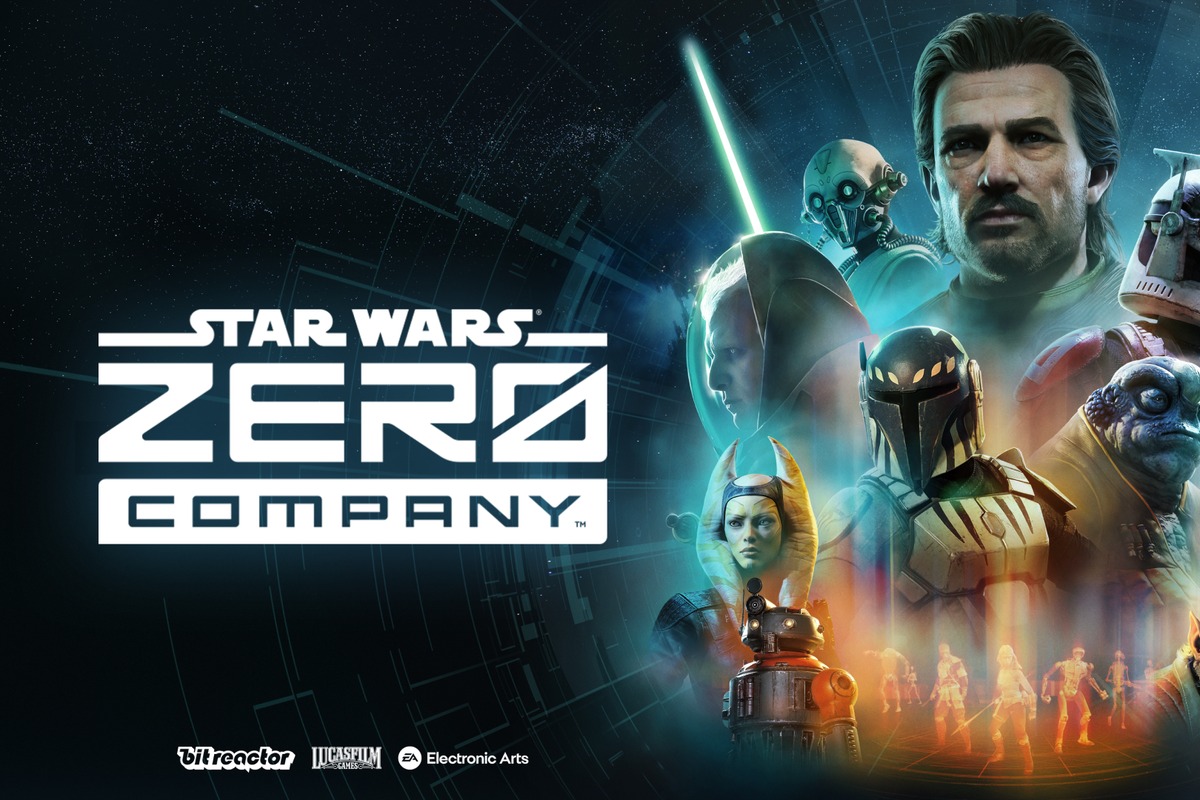
The 2026 edition leaned into recognizable franchises and new entries, including Resident Evil Veronica, Guild Wars 3, Gundam Rogue Orbit, Lords of the Fallen II, Sonic Racing content, Star Wars: Galactic Racer, and more. That mix illustrates the current market balance: publishers want the reliability of known IP but still need enough new material to keep audiences interested.
For platform holders, the show creates a useful amplification layer. Even when announcements are not exclusive, PlayStation, Xbox, and PC storefronts can quickly reframe them for their own audiences through blog posts, wishlists, and store pages. This multiplies the commercial value of a single trailer reveal.
Summer Game Fest’s role is now clear: it is less a replacement for E3’s trade-show model than a distributed marketing platform. Its success depends on whether publishers keep treating it as a place for meaningful reveals rather than a trailer compilation.
That makes follow-through more important than the announcement itself. The first trailer or blog post creates awareness, but the business result will depend on pricing, platform placement, update cadence, and whether the game can hold attention after the showcase cycle moves on.
That is why the practical measure of success will be visible engagement after publication, not the announcement alone, especially as players compare each update against a crowded June schedule.