Microsoft has confirmed one of the most painful restructurings in Xbox history, with the gaming division set to cut around 3,200 jobs through fiscal 2027. In an internal message published by Microsoft, Xbox chief Asha Sharma said the company will eliminate approximately 1,600 roles immediately and continue reducing the workforce through the year ending June 30, 2027. Microsoft described the move as the most significant restructure in Xbox history.
The decision represents roughly 20% of the Xbox workforce and comes as Microsoft tries to improve the financial performance of a gaming business that has expanded rapidly through acquisitions but struggled to deliver the expected level of growth. According to Reuters, the broader Microsoft layoff plan affects 4,800 workers, with Xbox accounting for the majority of the reductions.
The restructuring goes beyond job cuts. Microsoft is also moving several Xbox-owned studios outside the company, reducing management layers, cutting vendor spending and changing how major franchises are supervised. Sharma framed the decision as an effort to fix the underlying economics of Xbox rather than a simple cost-reduction exercise.
The immediate message to employees is severe. Microsoft is cutting thousands of roles, changing ownership structures for multiple studios and redirecting investment toward projects it sees as more important. At the same time, the company says it will not cancel already announced games as a blanket policy, though some investments will be reallocated.
Studios Move Out of Xbox
One of the biggest changes is the exit of several studios from Microsoft ownership. The Verge reports that Compulsion Games and Double Fine Productions will become independent again and retain ownership of their intellectual property. That means studios behind projects such as South of Midnight and Psychonauts will leave Xbox with their franchises and back catalogs intact.
The move is unusual because divestments after major restructurings often involve asset sales, closures or IP retention by the parent company. In this case, Microsoft appears to be giving Compulsion and Double Fine a softer exit path, including funding support while they search for publishers or investors.
Ninja Theory and Undead Labs are also expected to leave Microsoft, but under a different structure. Unknown buyers have reportedly agreed to acquire the studios, though the identities of the investors and the financial terms have not been disclosed. Despite the separation, both teams are expected to continue working on major Xbox-related projects, including Senua and State of Decay 3, with financial support from Xbox.
The future of Arkane Lyon remains less clear. Because of French labor rules, Microsoft cannot move as quickly with the studio as it can in other regions. The company is now holding consultations that could take months. That uncertainty also affects Marvel’s Blade, which is in development at Arkane Lyon and has reportedly become more expensive and slower-moving than Microsoft expected.
Xbox Tries to Flatten Its Organization
Alongside the studio changes, Xbox is cutting down its management structure. The division is expected to reduce management from 14 layers to between three and five. That signals an attempt to speed decision-making, lower overhead and make accountability clearer across the organization.
Microsoft is also creating a new chief operating officer role inside Xbox. Helen Chiang, formerly vice president of Minecraft franchise development, will take the position and oversee profit and loss across content, hardware, platforms and services. That appointment suggests Microsoft wants a more unified operating model after years in which Xbox expanded across console hardware, Game Pass, cloud gaming, PC, mobile and acquired publishers.
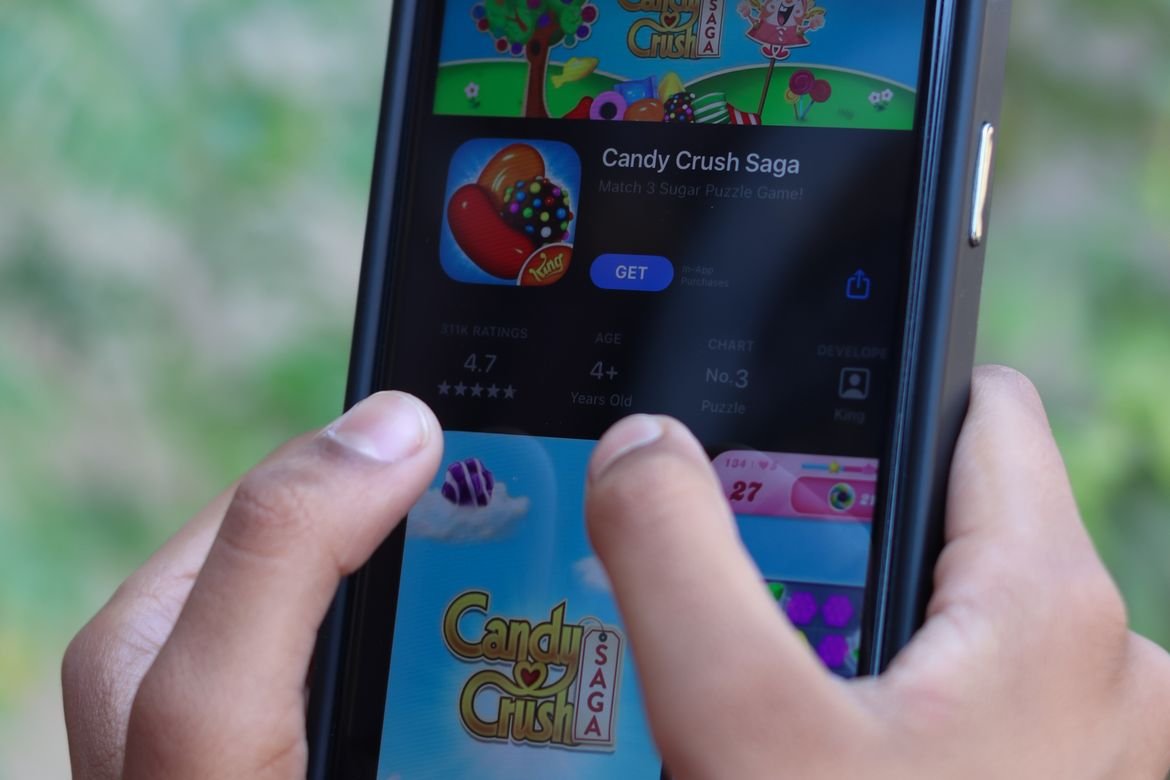
Mojang Studios and King will now report directly to Sharma. That change is important because Minecraft and Candy Crush represent two of the largest daily audience engines inside Microsoft’s gaming portfolio. Minecraft remains one of the most recognizable entertainment brands in the world, while King gives Microsoft a major presence in mobile games through Candy Crush.
Game File has reported that Sharma believes Microsoft underinvested in Minecraft compared with Roblox, which has poured far more capital into platform growth, creator tools and live operations. Whether that comparison becomes a long-term strategic shift remains to be seen, but it helps explain why Mojang is now receiving more direct executive attention.
Xbox is also planning to optimize technical tools and services while cutting vendor spending by half. That kind of reduction could affect outsourcing, marketing services, platform support, localization, production pipelines and other external costs across the division.
Game Pass Pressure and Weak Margins
The financial picture behind the restructuring appears to be the main driver. Sharma told employees that Xbox’s profitability is far below comparable platform and publishing companies. According to reports, Xbox margins are between three and nine times lower than peer businesses, while the division has been losing an average of 64 cents for every dollar invested in games.
That creates a major problem for Microsoft. Xbox has spent years building a strategy around Game Pass, multiplatform distribution, cloud access and a large first-party portfolio. The strategy made Xbox more visible and arguably more valuable as a platform, but it did not create the scale of growth Microsoft expected.
The biggest pressure point is Game Pass. The Wall Street Journal reported that Game Pass now has about 30 million subscribers, below earlier expectations and down from the 34 million figure Microsoft disclosed in February 2024. Microsoft had previously discussed much larger long-term ambitions for the subscription business, including a possible path toward 100 million subscribers by 2030.
Microsoft is not expected to shut down Game Pass. Instead, the restructuring suggests the company is trying to make the service fit a more disciplined financial model. That may mean fewer projects built primarily to feed the subscription pipeline, more selective investment in first-party games and stronger emphasis on franchises that can generate durable engagement outside Game Pass alone.
The issue is not that Game Pass has no value. The issue is that its growth has not been strong enough to justify the scale of spending behind Xbox’s content machine. For a company as large as Microsoft, a gaming business can no longer rely only on strategic importance. It also has to show better returns.
A Billion Daily Players Becomes the New Target
Despite the cuts, Sharma has set an extremely ambitious long-term goal: bringing the Xbox ecosystem to one billion daily active players. That target reflects a shift away from measuring Xbox primarily through console sales or subscription counts. Microsoft wants Xbox to function as a broad gaming ecosystem across hardware, PC, mobile, cloud services and major franchises.
The challenge is that one billion daily players is a massive goal. It would require Xbox to operate more like a global consumer platform than a traditional console business. Minecraft, Candy Crush, Call of Duty, Roblox-like engagement models, cloud access and mobile distribution would all need to play a role.
The restructuring shows how difficult that transition has become. Microsoft wants the reach of a platform company, the economics of a strong publisher and the loyalty of a console ecosystem. Those goals do not always fit neatly together.
For employees, the impact is immediate and painful. For studios, the changes introduce both risk and opportunity. Compulsion and Double Fine may gain creative freedom as independent companies, while Ninja Theory and Undead Labs could receive more focused support under new owners. Arkane Lyon faces the most uncertain path, with Marvel’s Blade still caught in the middle.
For Xbox, the restructuring marks a dramatic reset. Microsoft is not leaving gaming, and it is not abandoning Xbox. But it is making clear that the division must become leaner, simpler and more profitable. The next phase of Xbox will be judged less by acquisition scale and more by whether Microsoft can turn its vast gaming portfolio into a sustainable platform with daily global reach.